















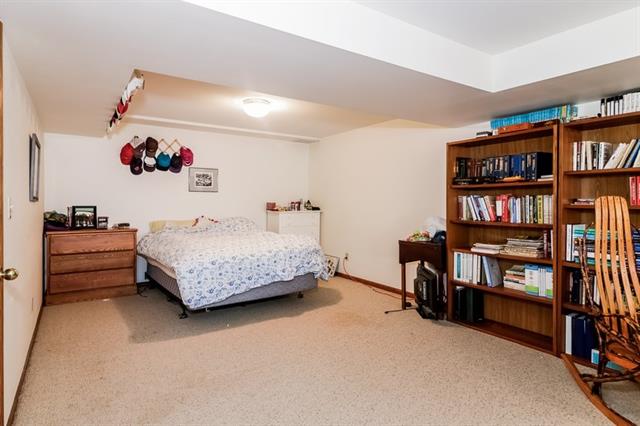
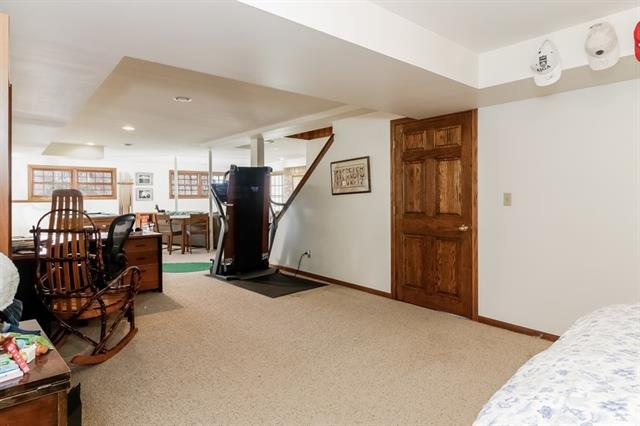
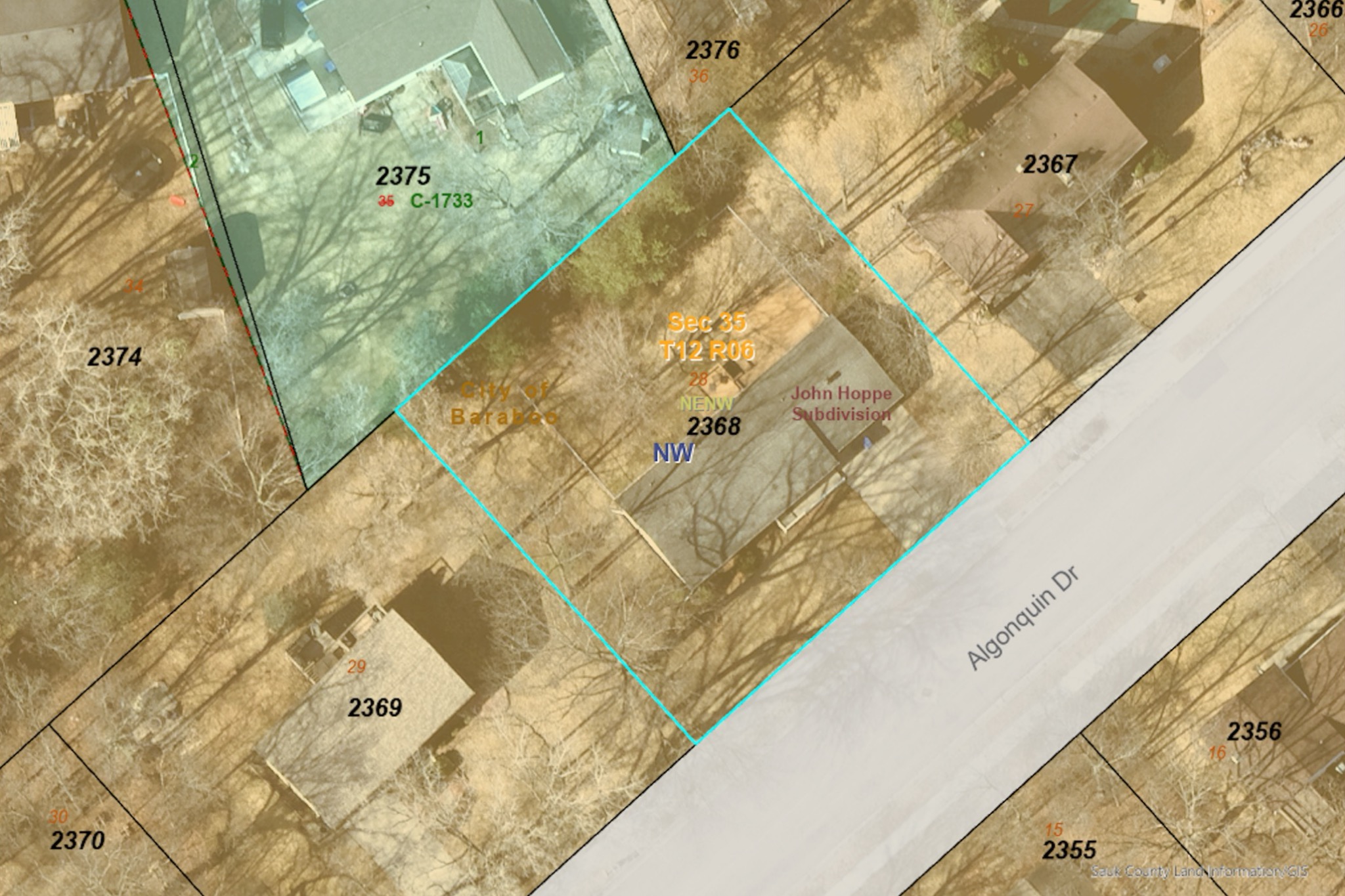
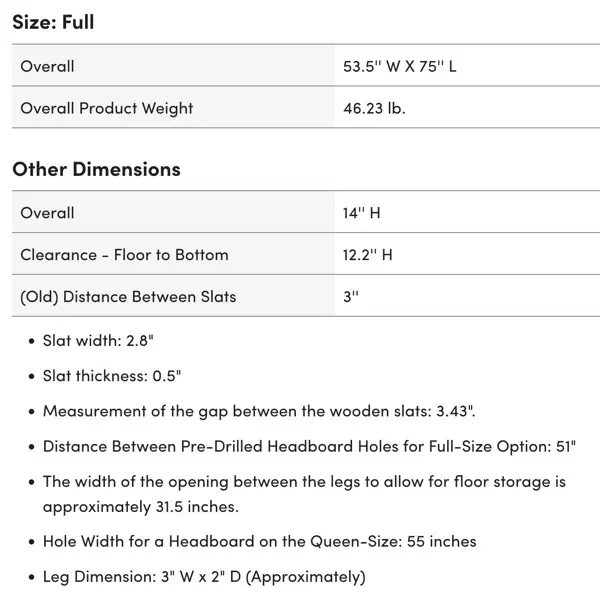
1709 Algonquin Drive
Baraboo, WI 53913
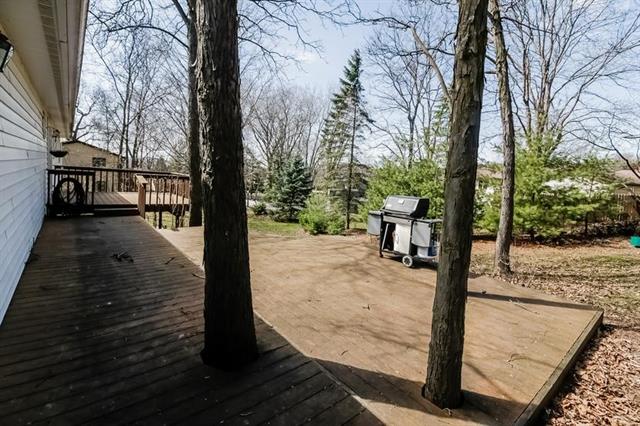
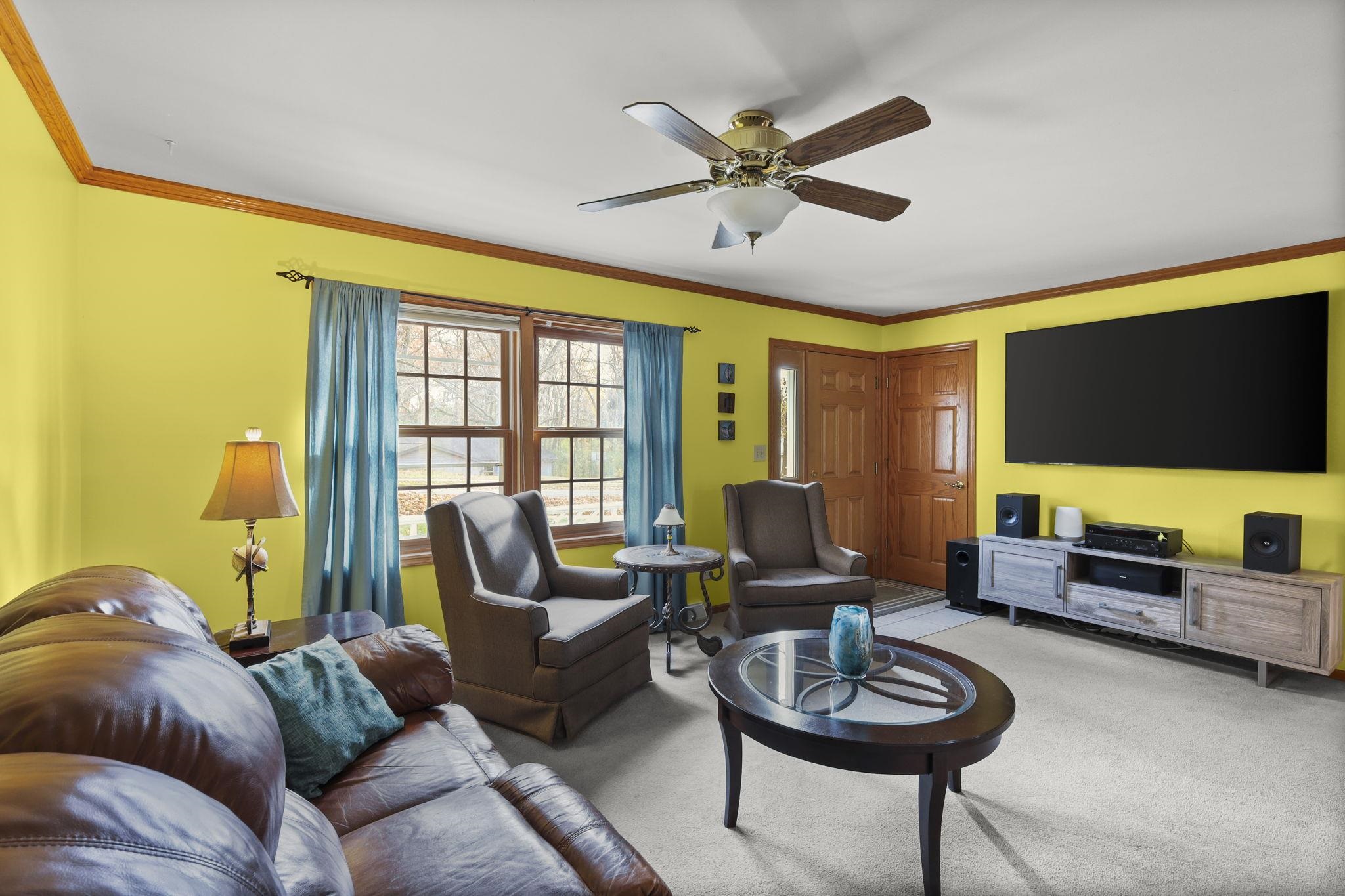
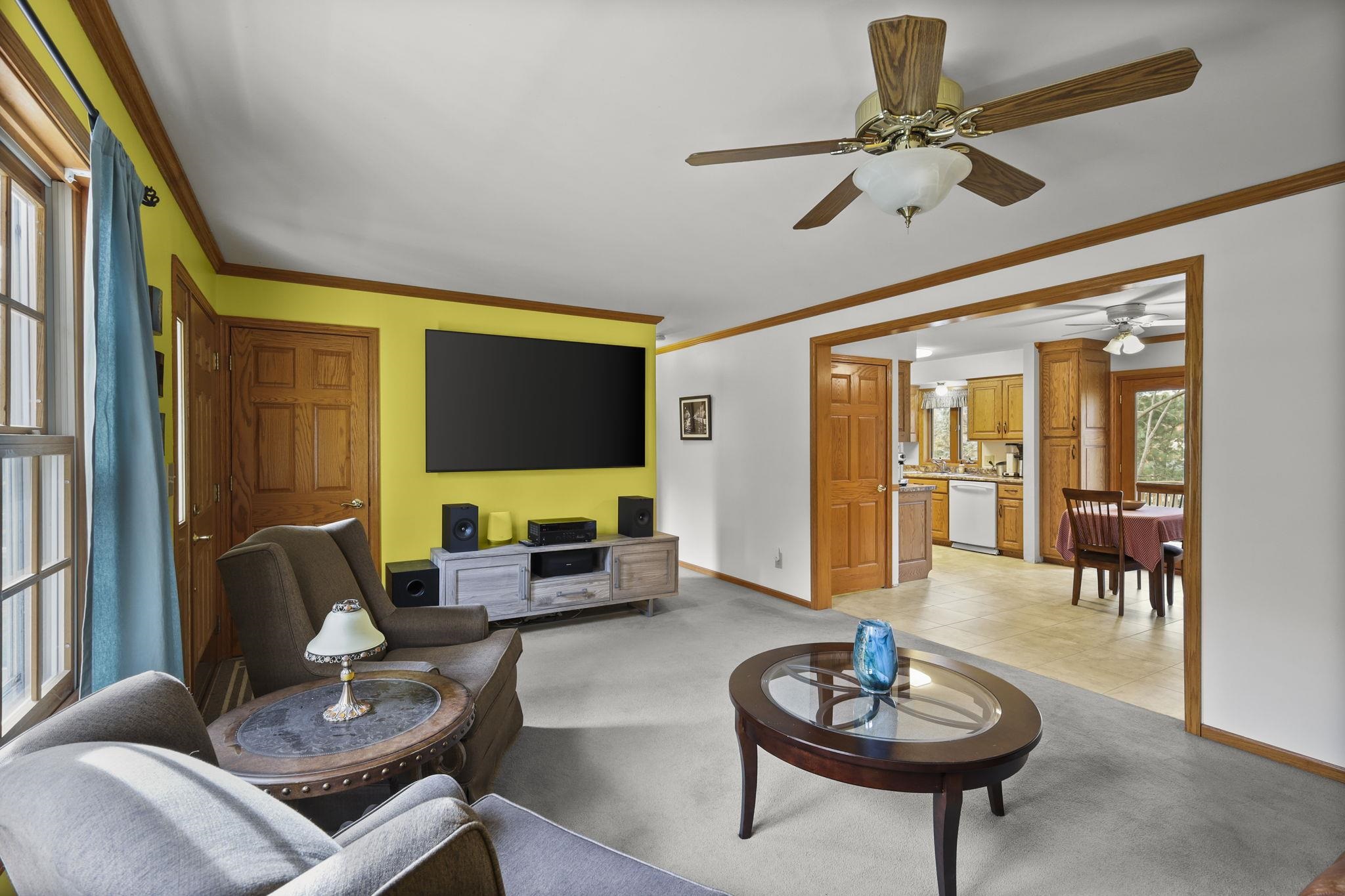
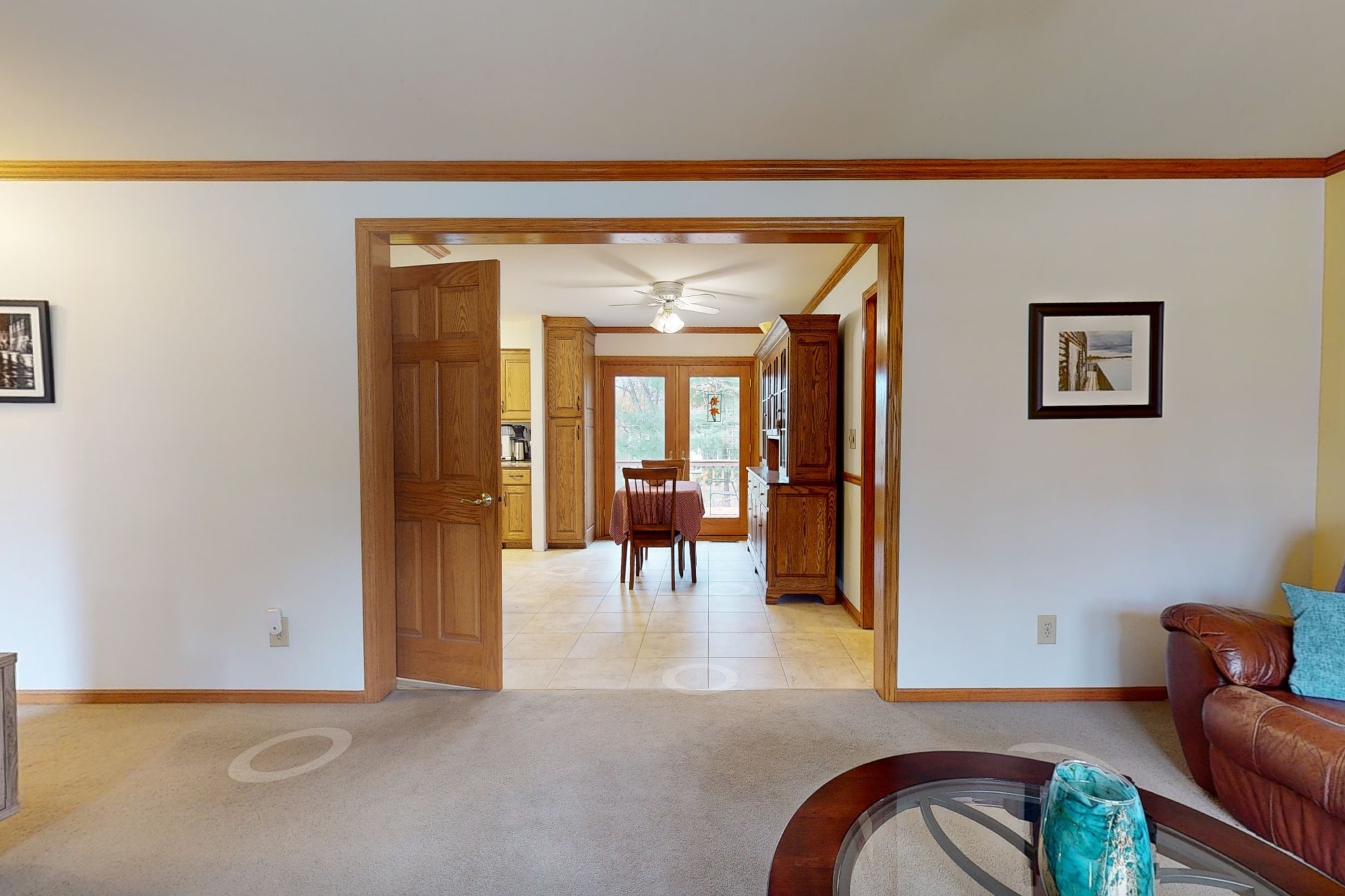
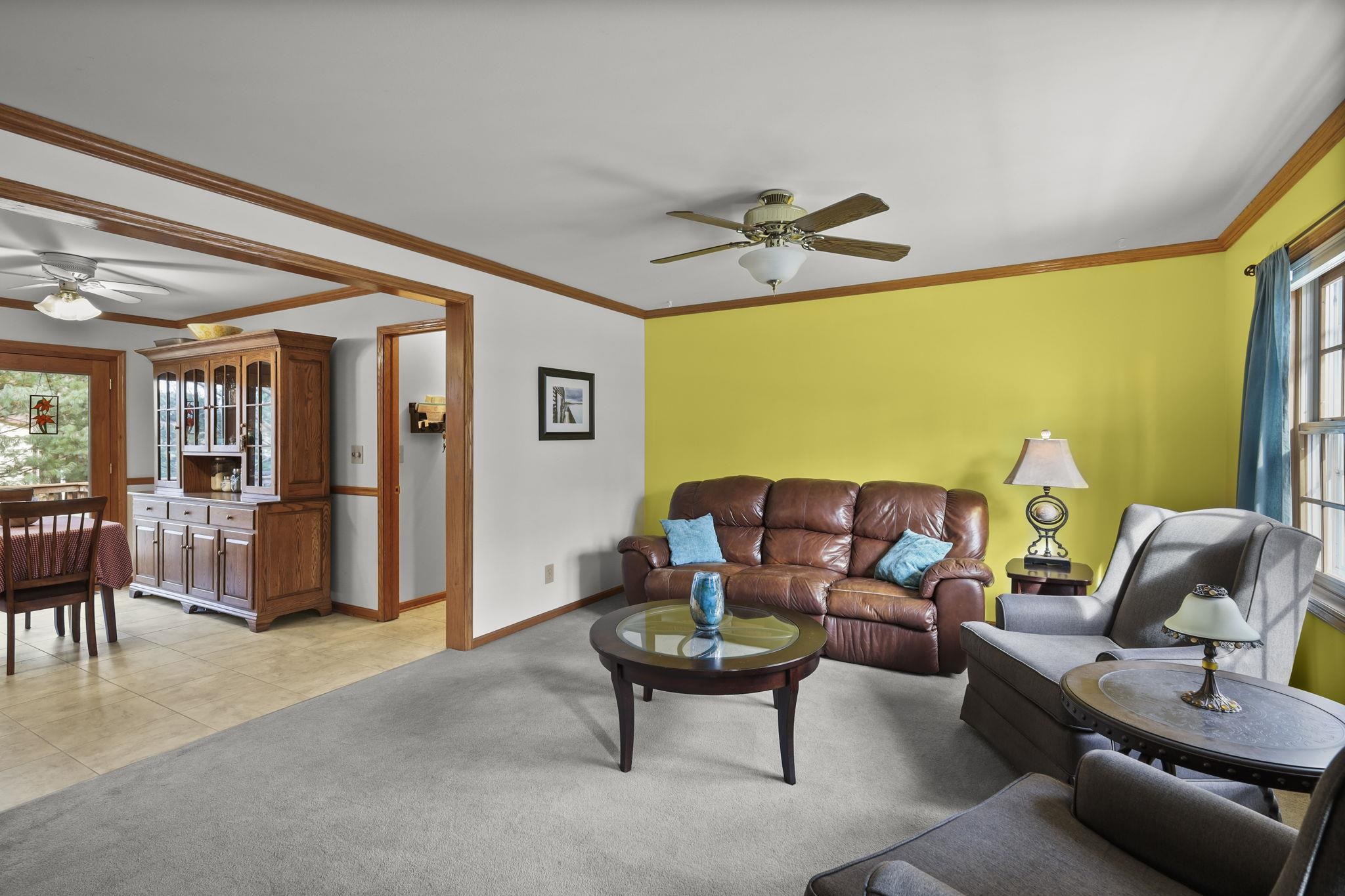
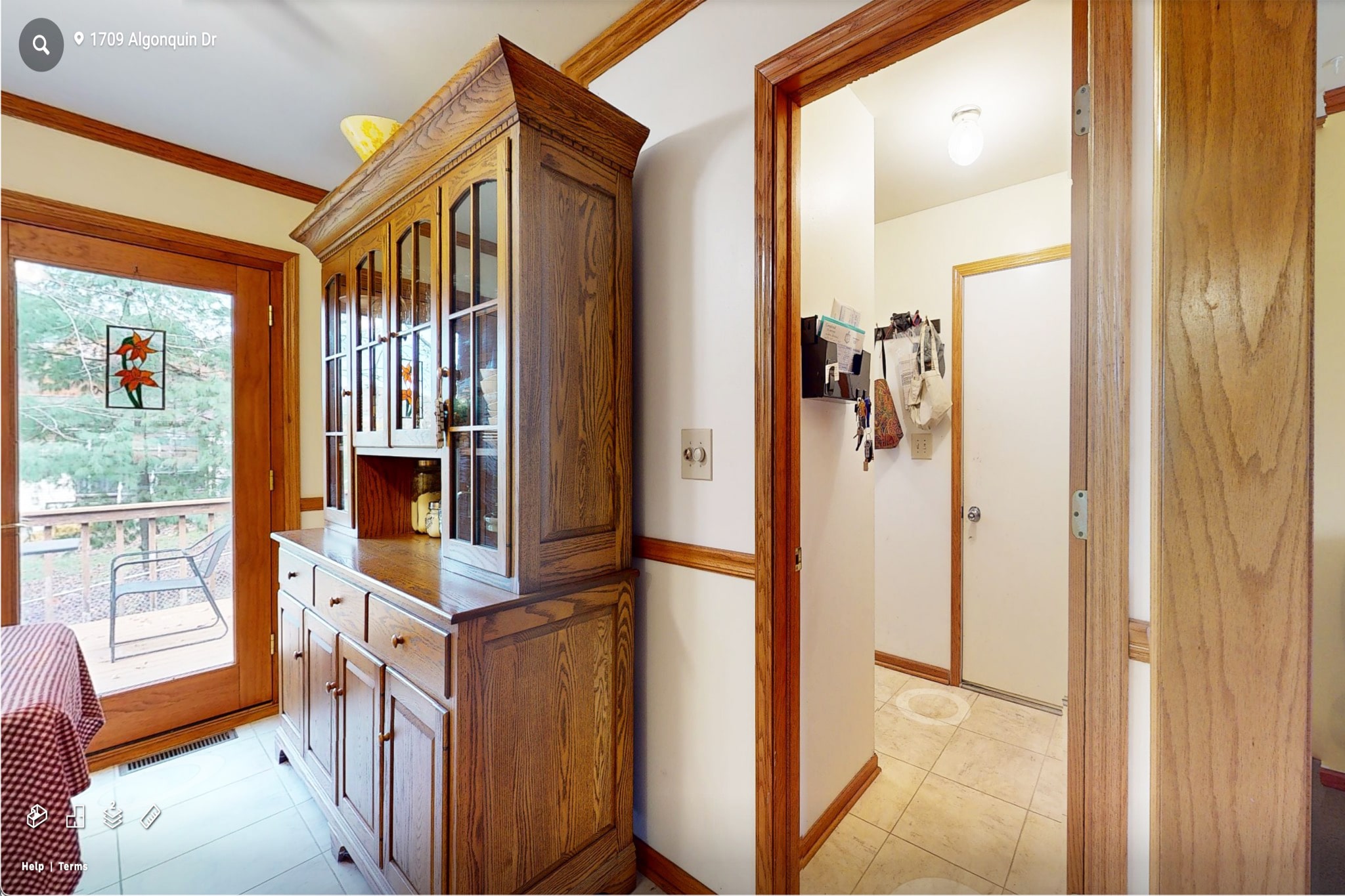
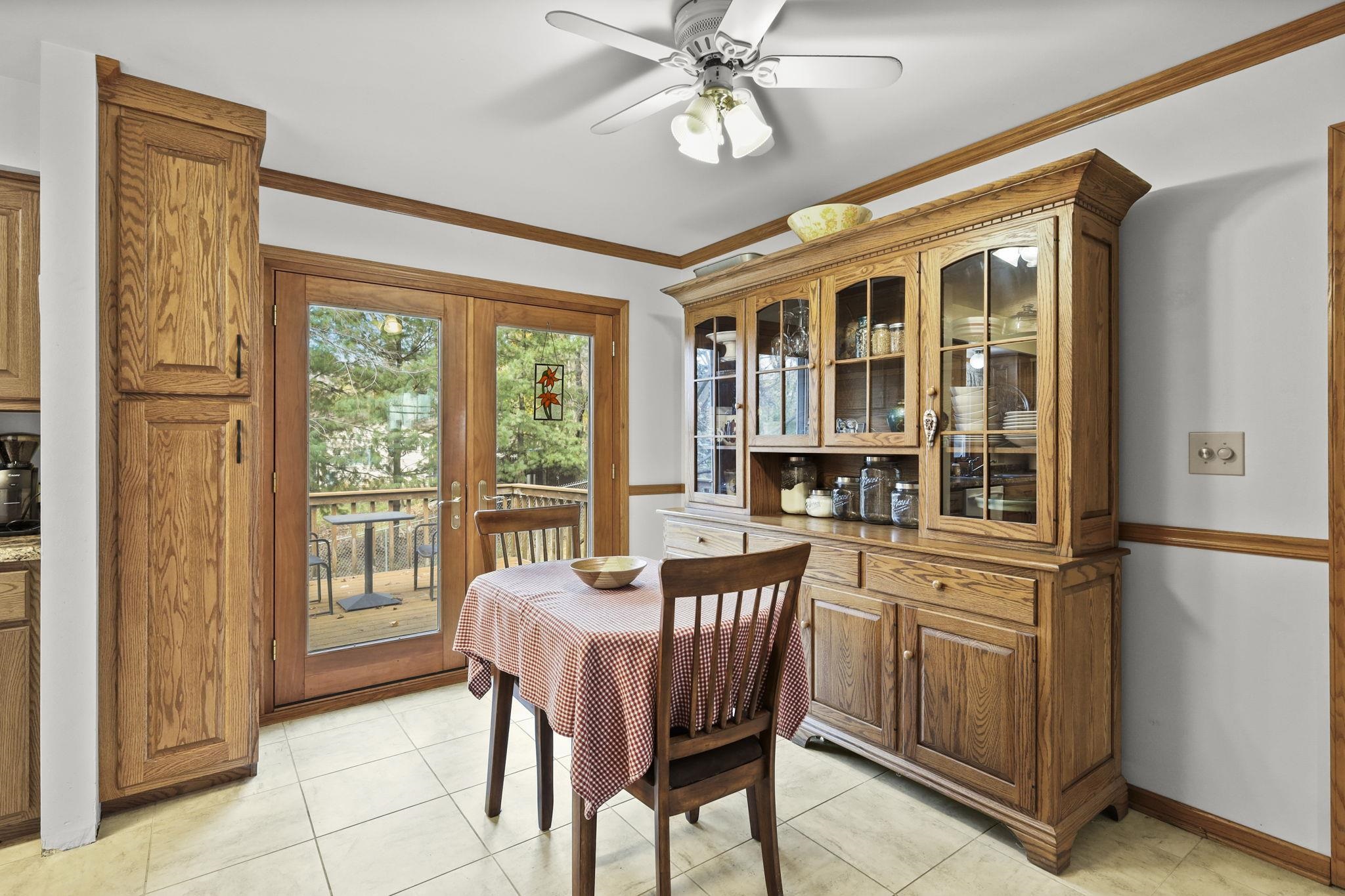
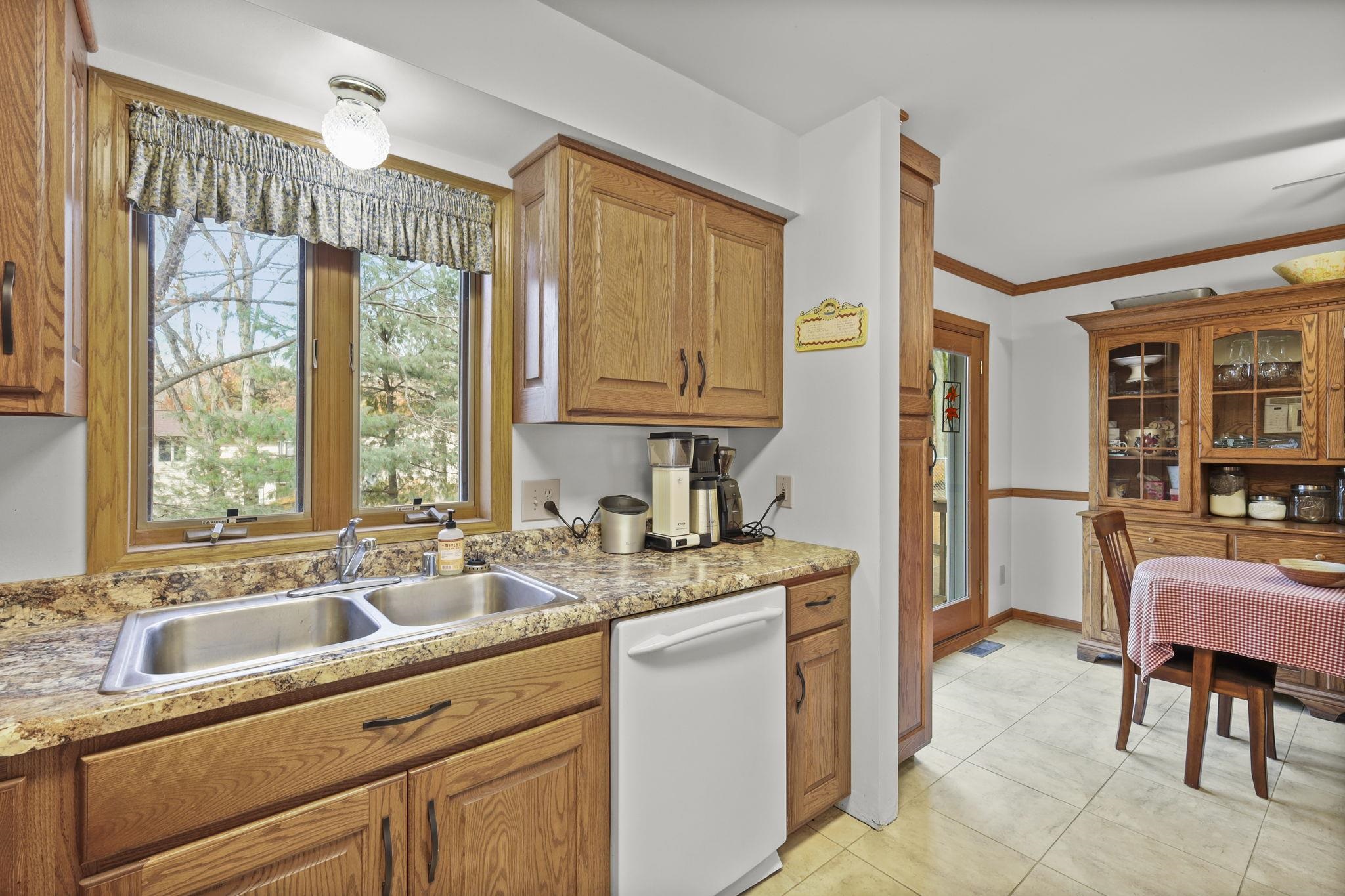
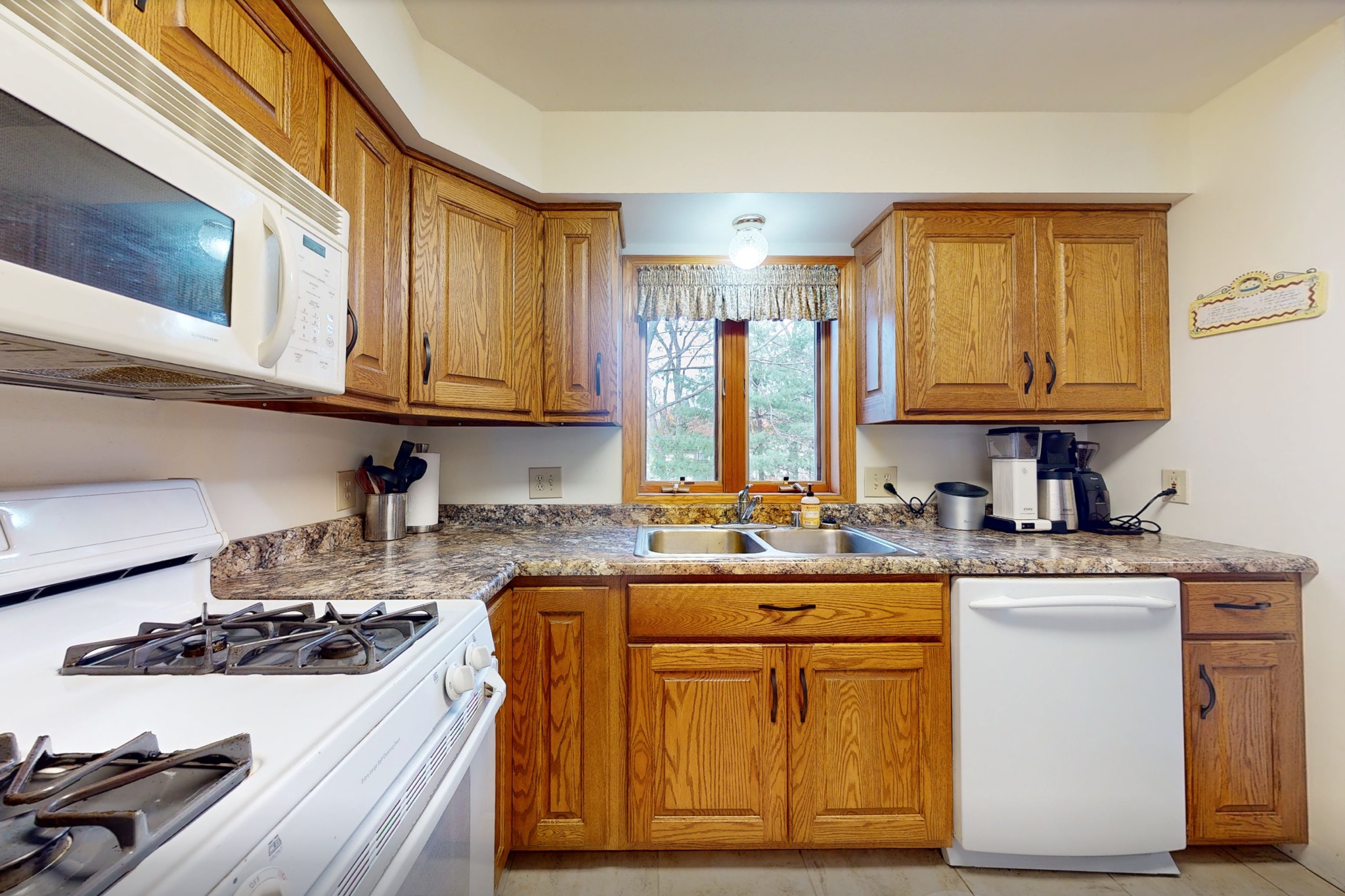
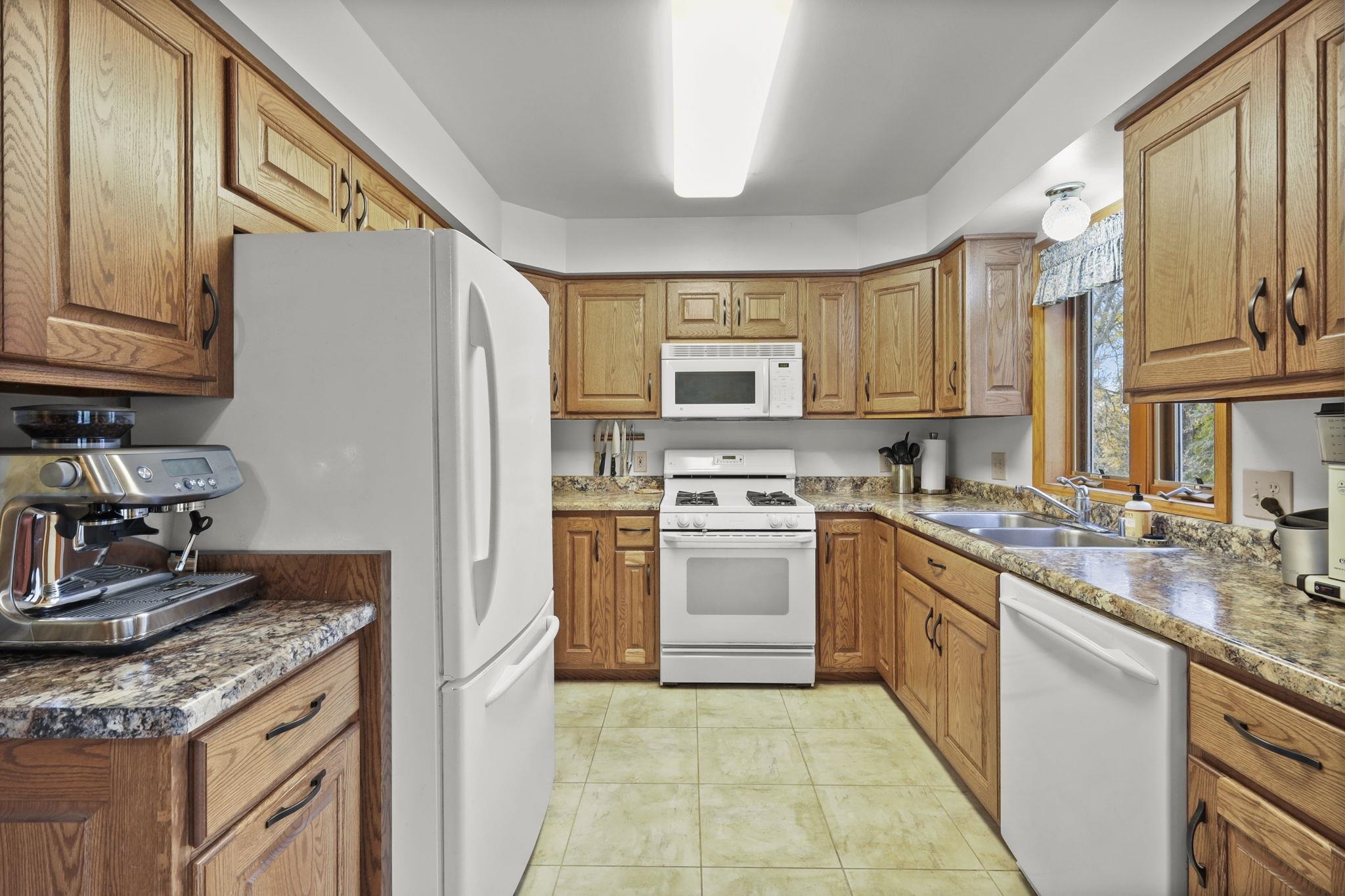
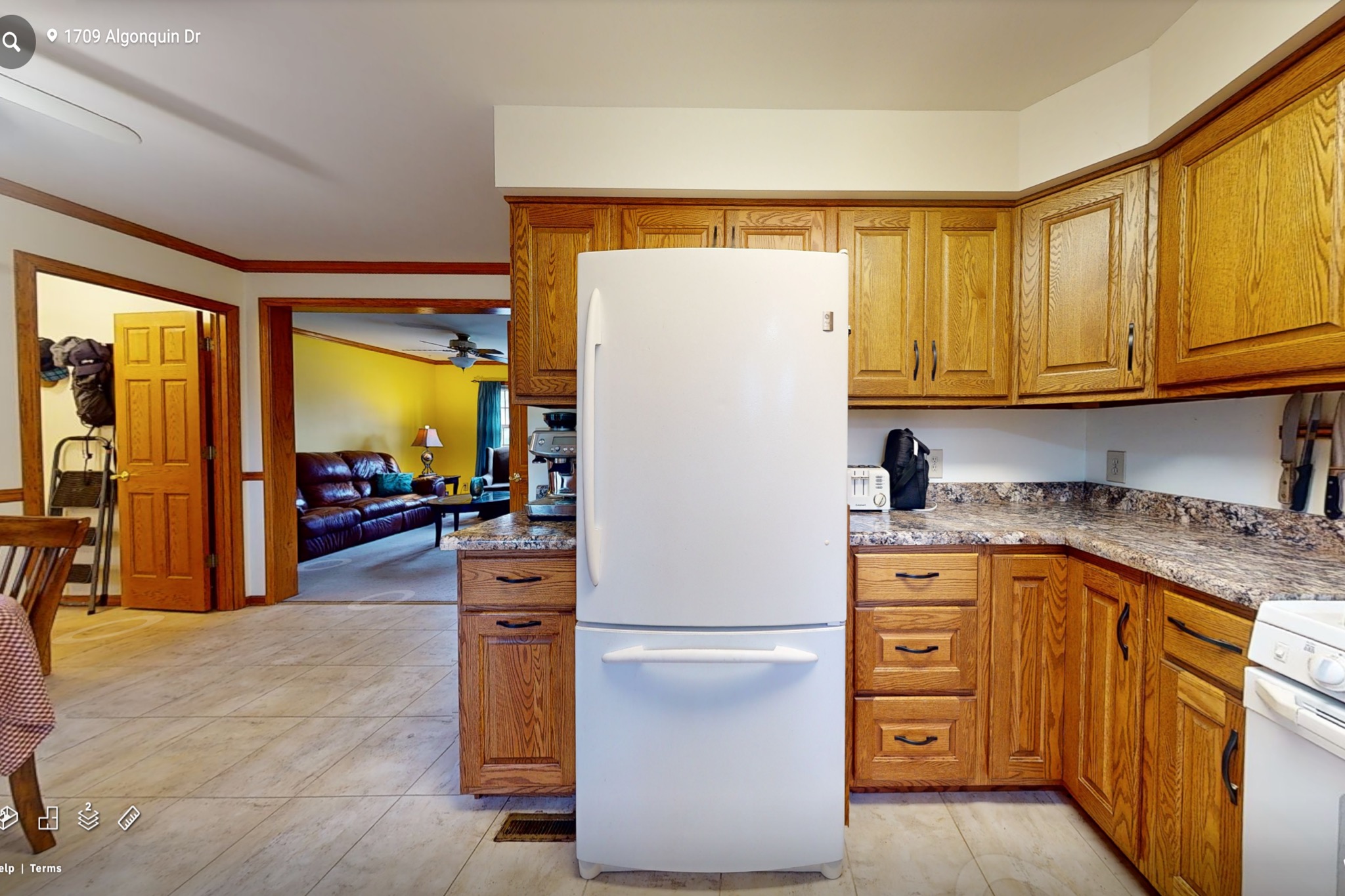
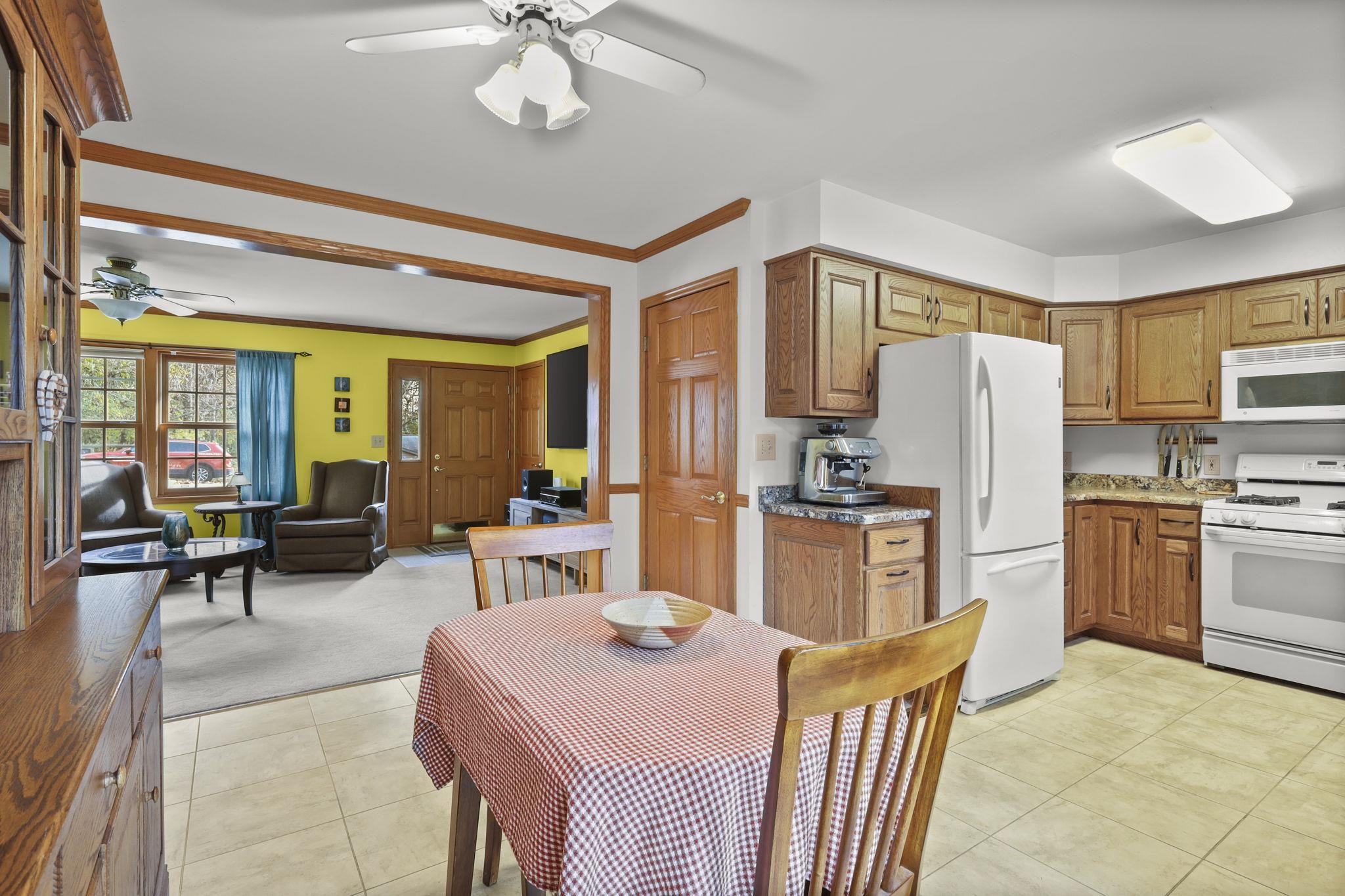
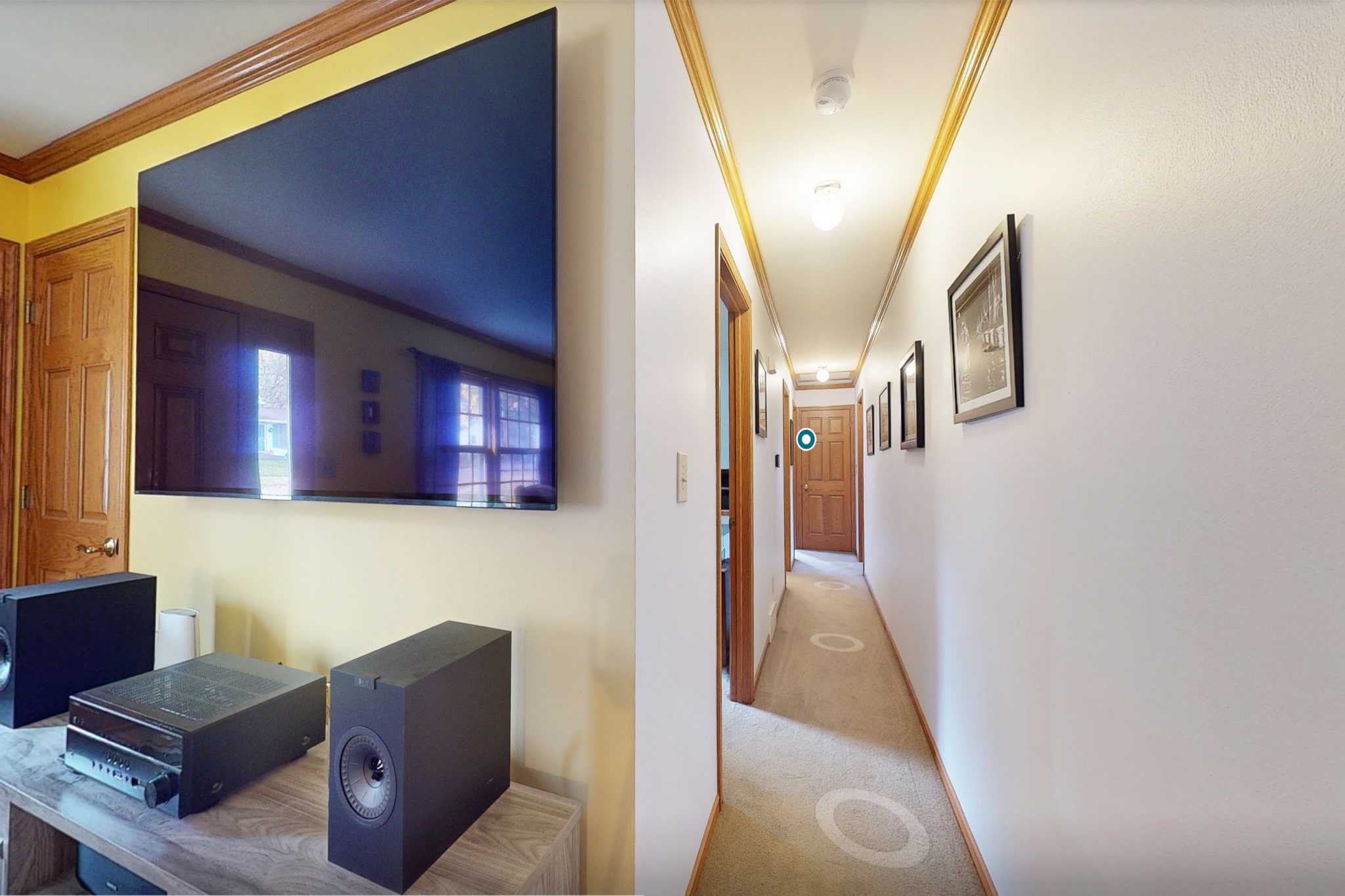
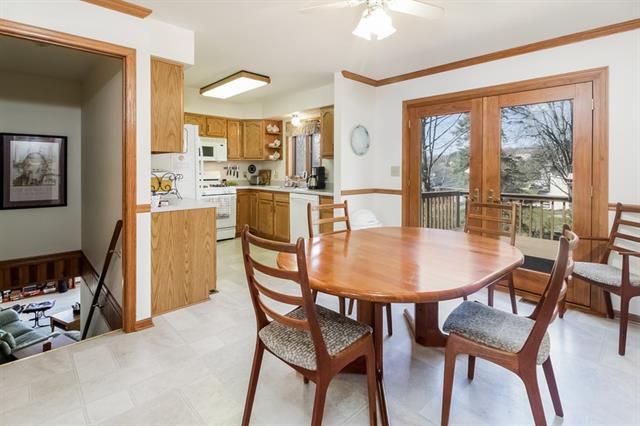
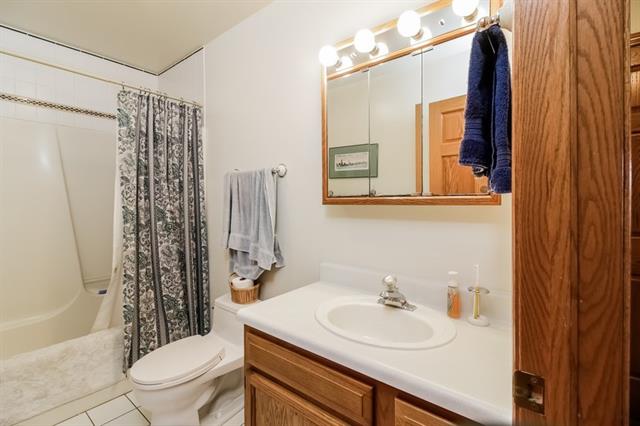
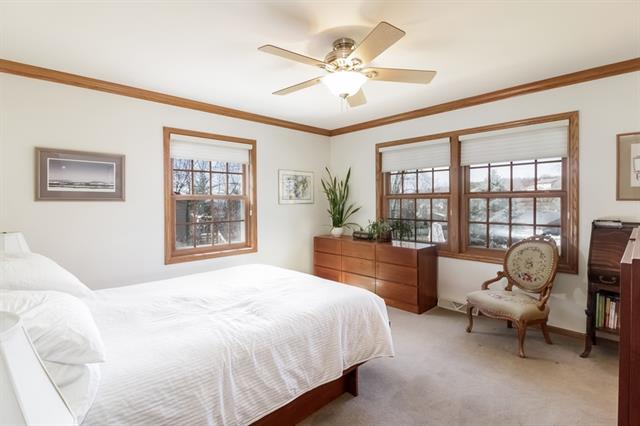
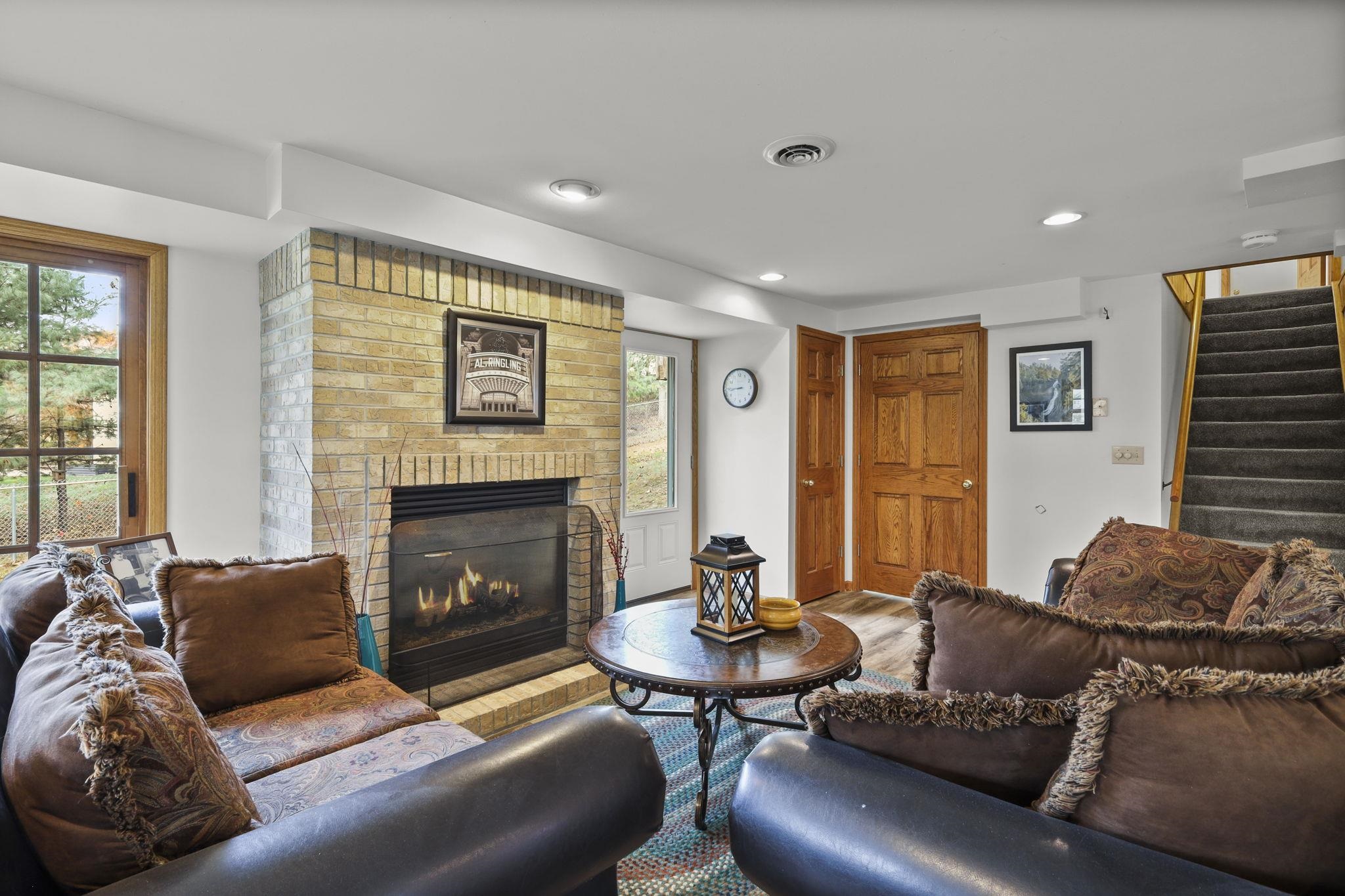
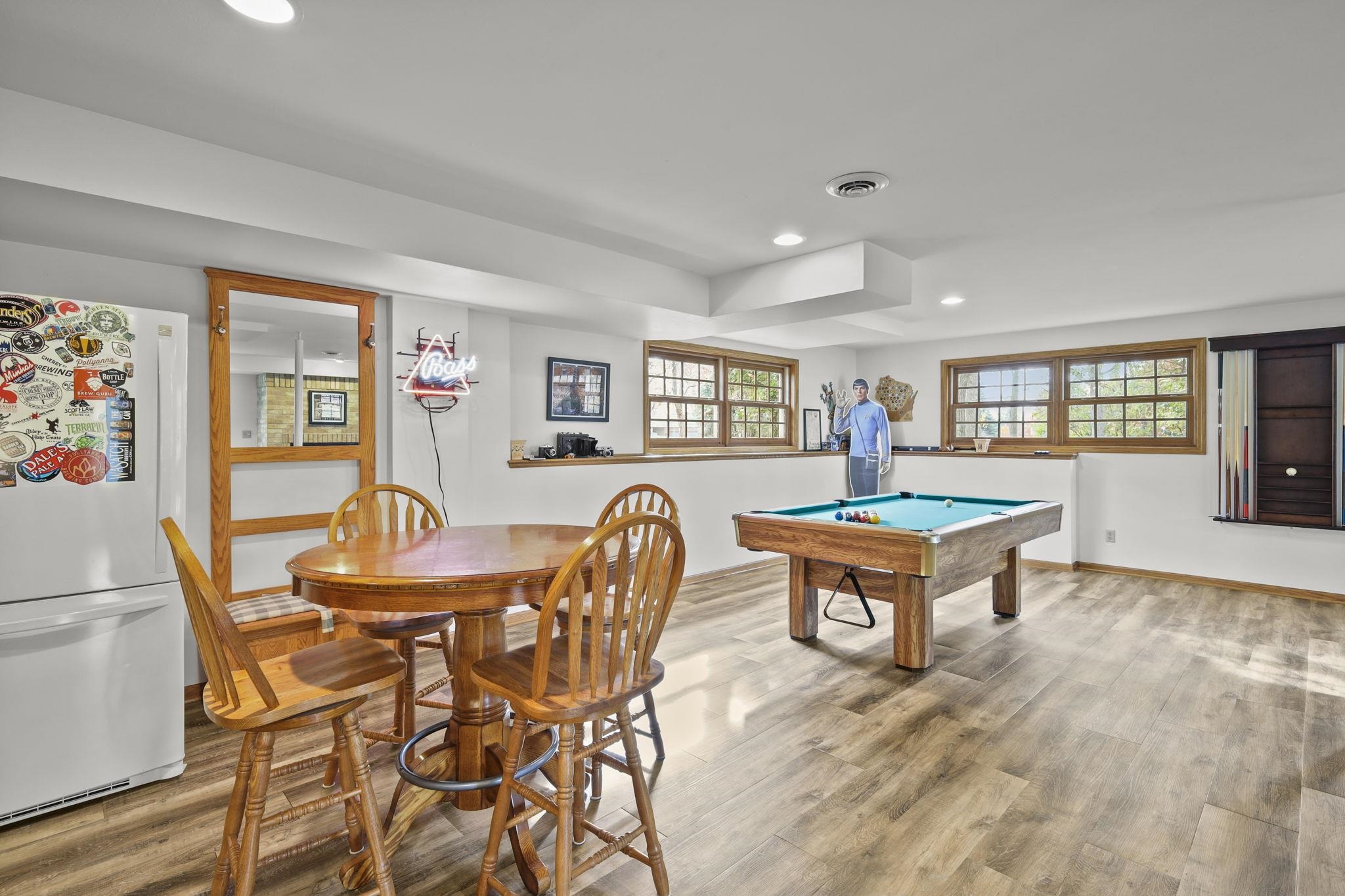
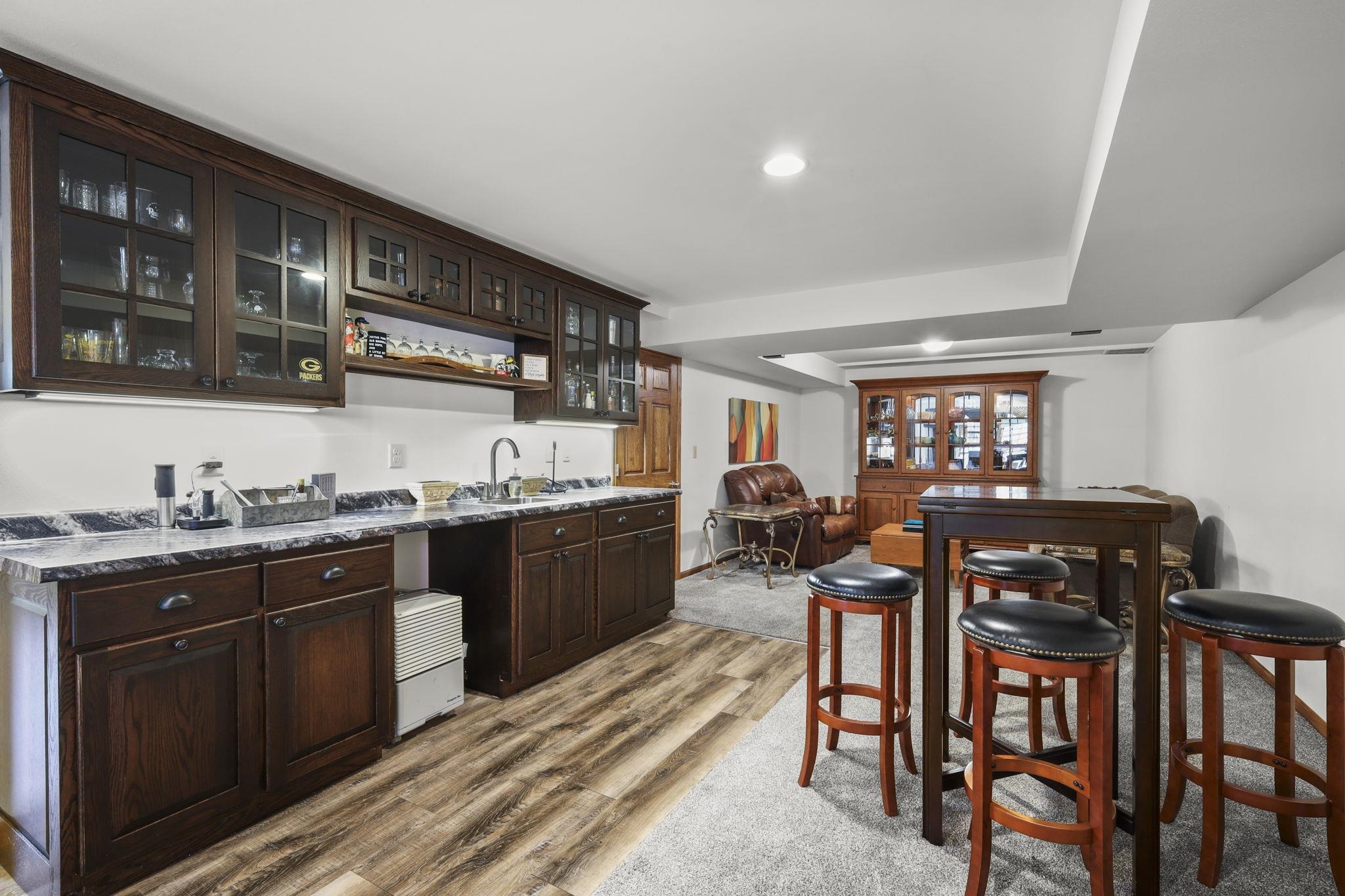
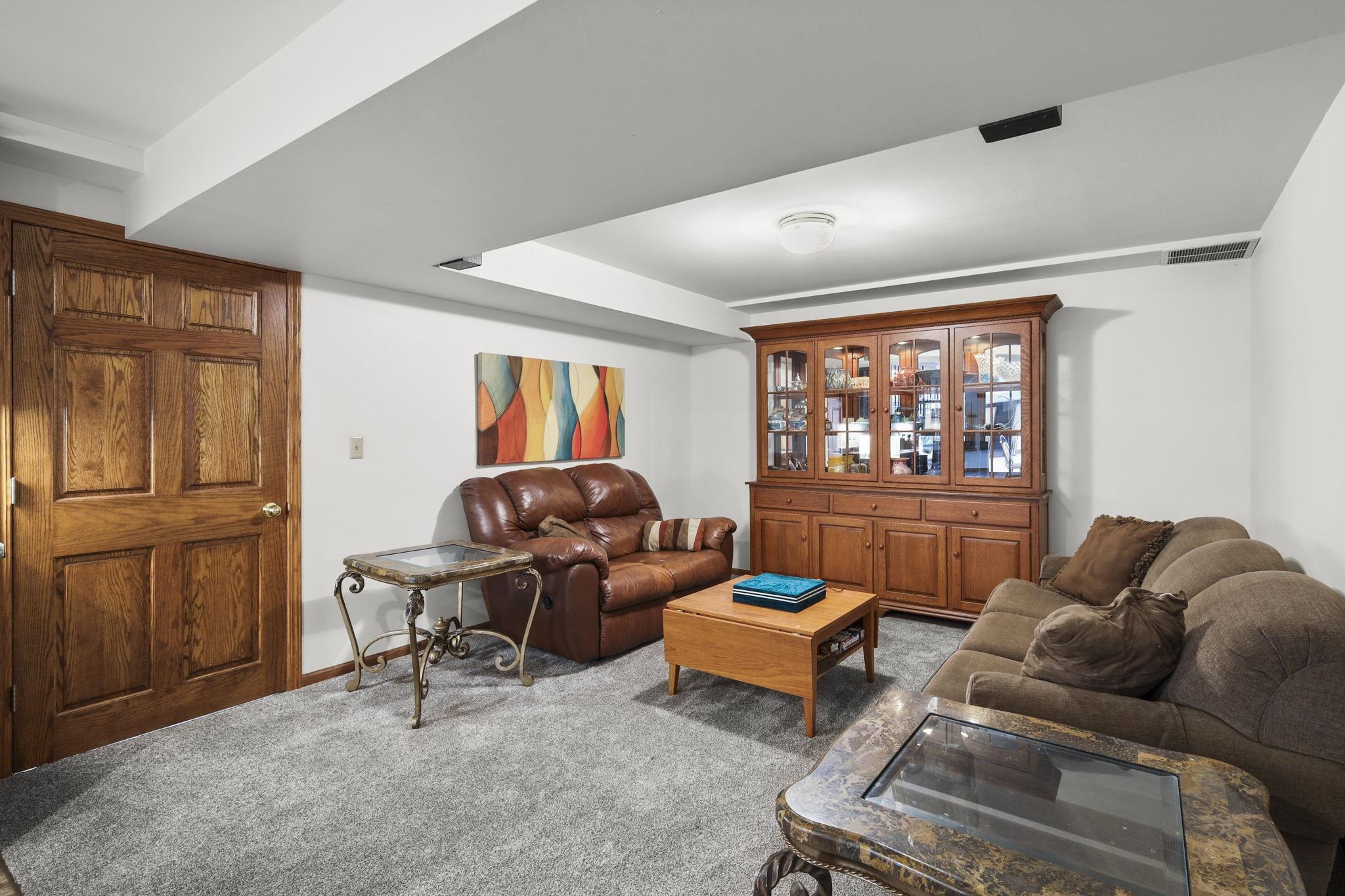
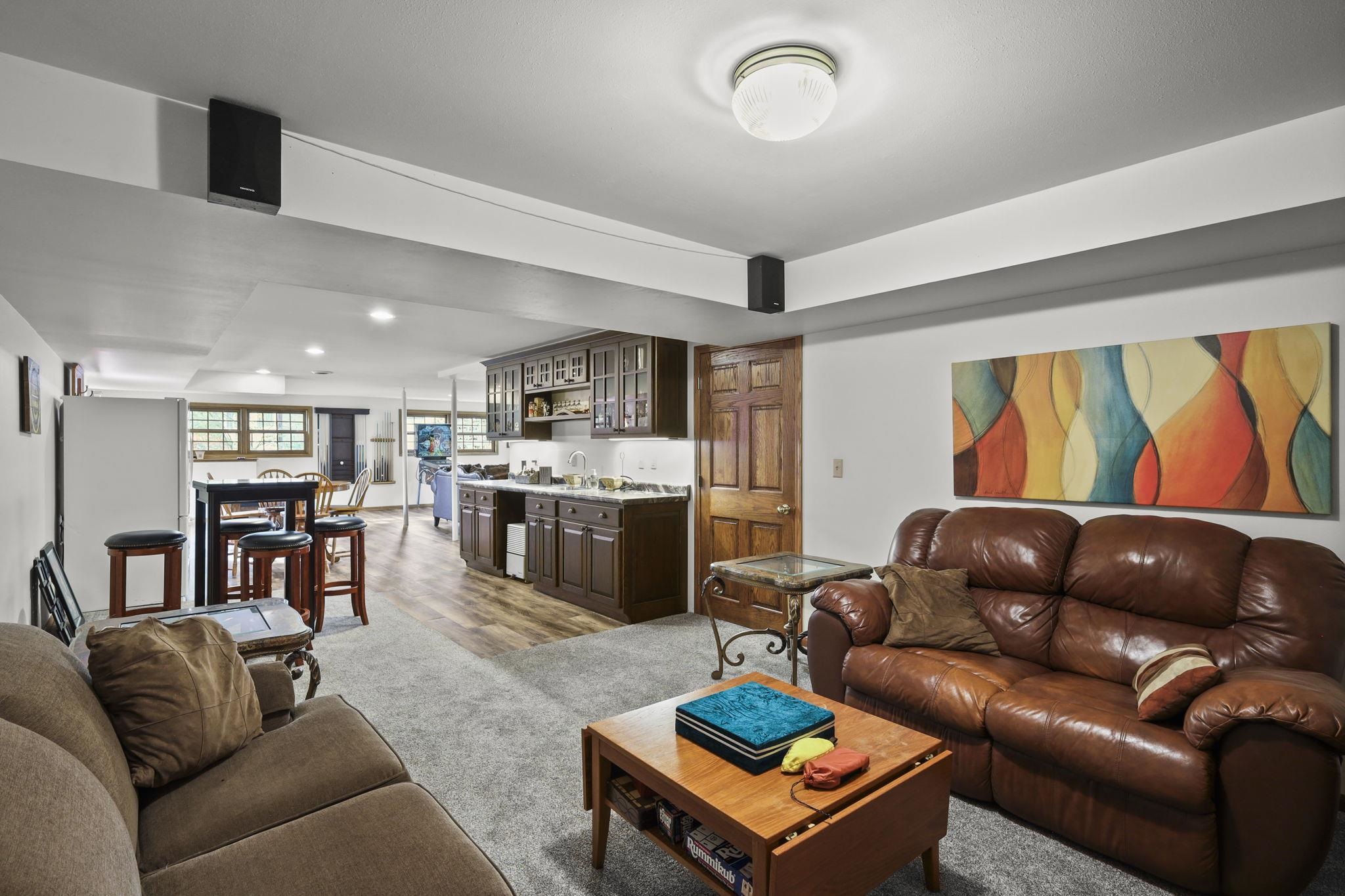
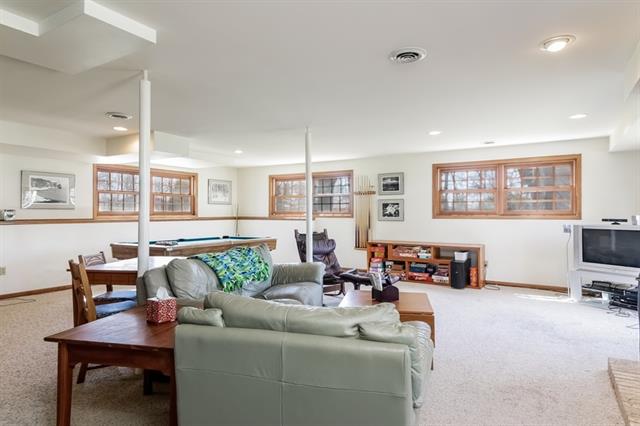
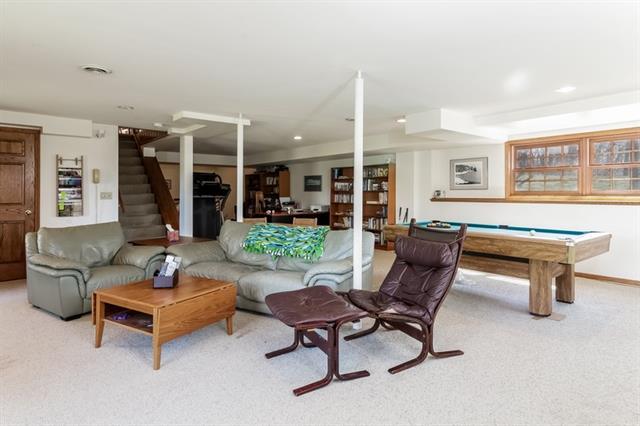
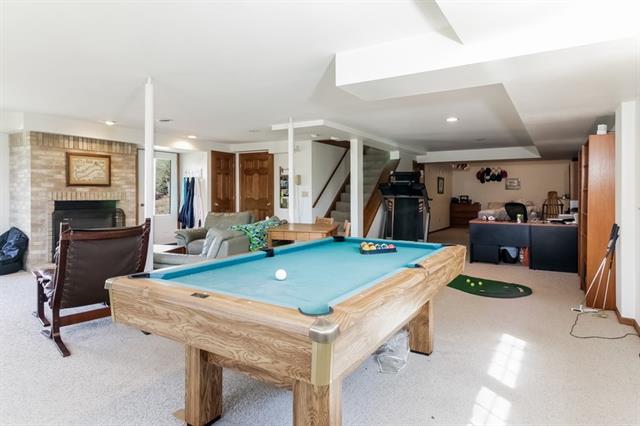
Beautifully maintained ranch in a desirable Baraboo neighborhood! This move in ready home features a fenced in yard perfect for pets and play, plus the most RAD basement ever! Fully furnished with a pool table included! Host your first Packer party the day you move in and enjoy the ultimate hangout space. With great curb appeal, a bright main level, and a fun lower level for entertaining, this home truly has it all. Dont wait! Your Baraboo dream home is ready.
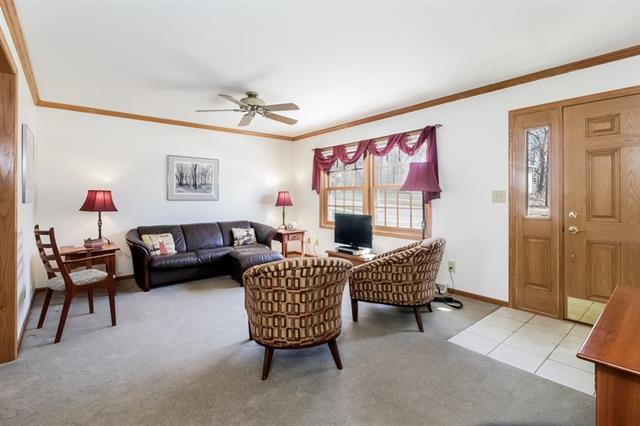
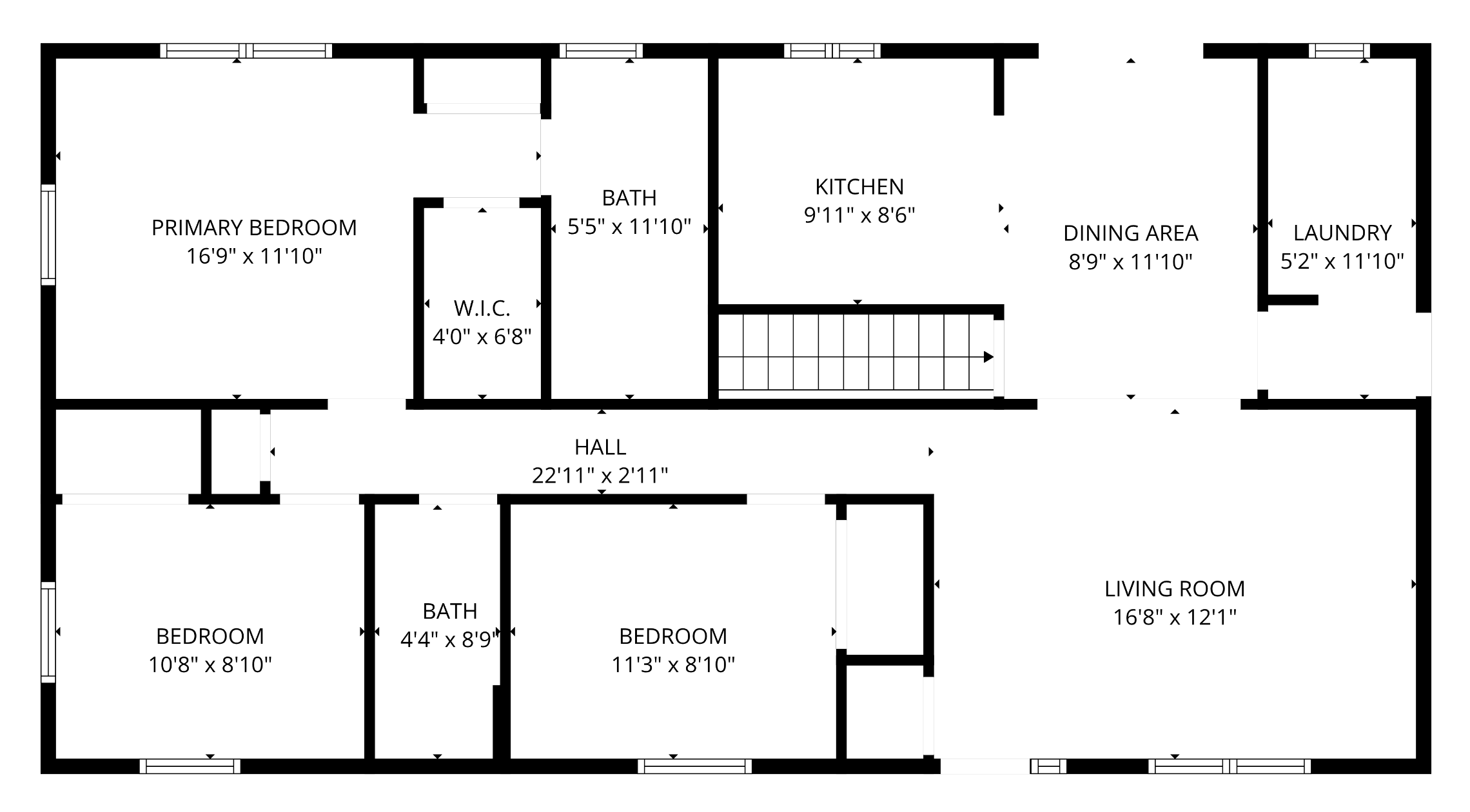
- Living Room: 16 x 12
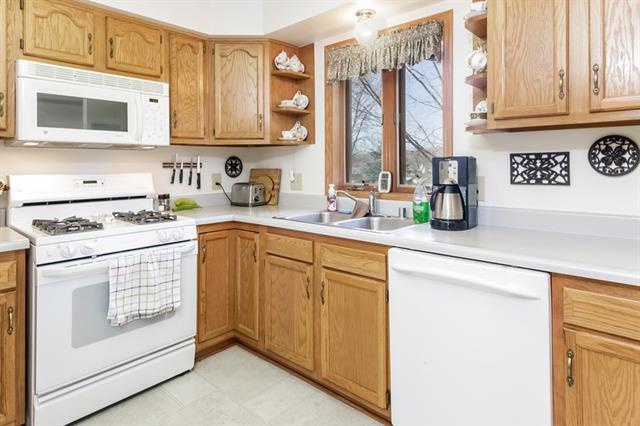
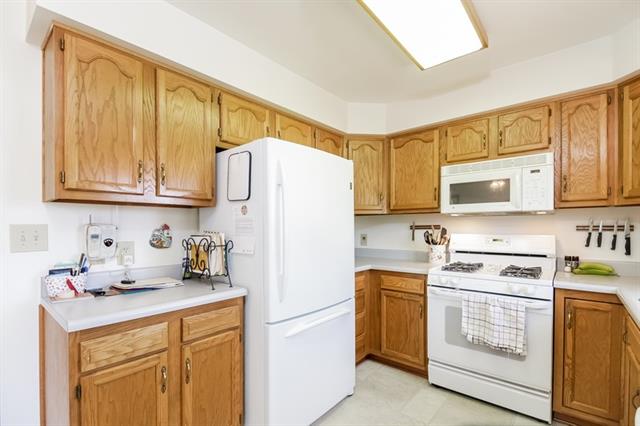
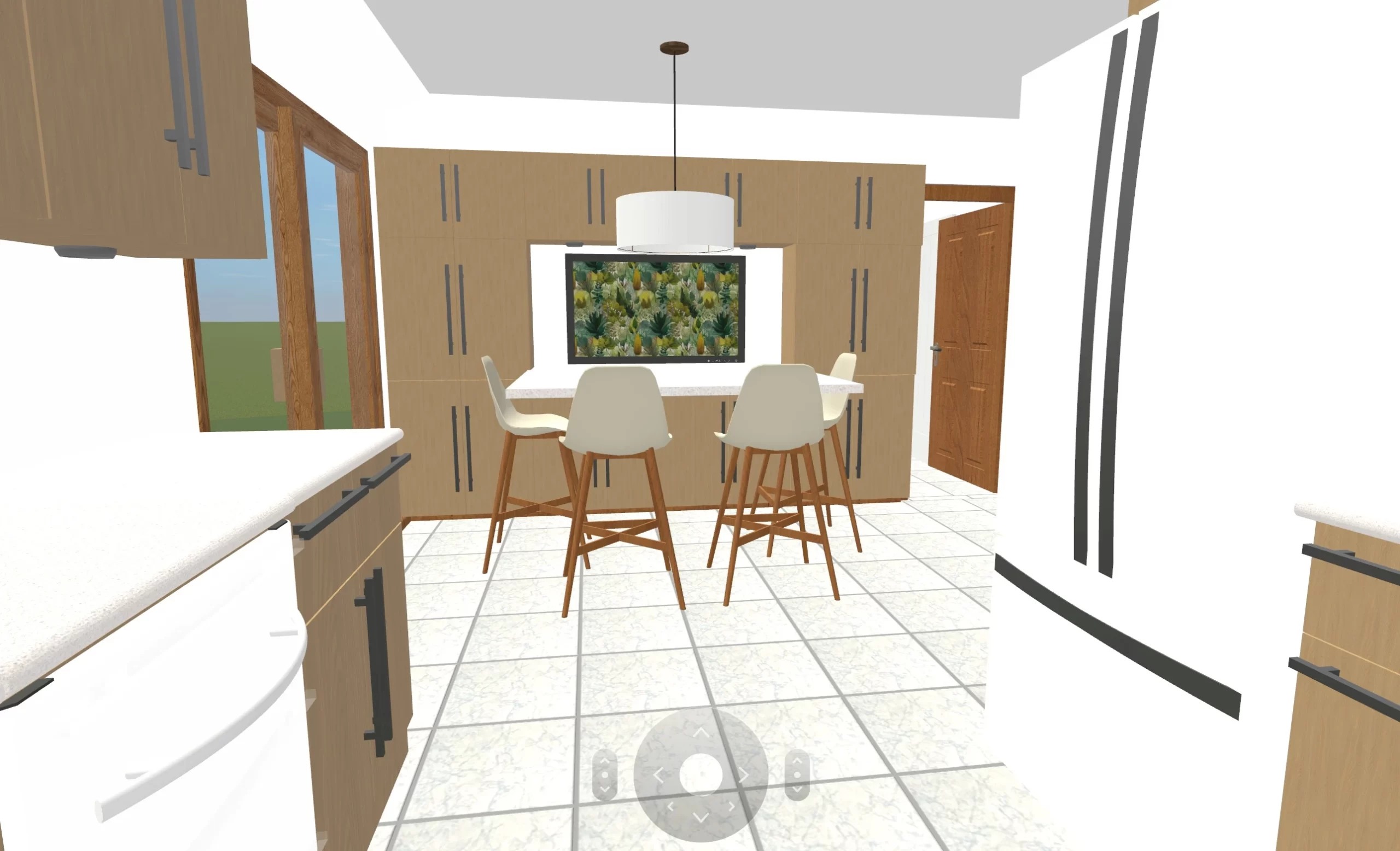
- Kitchen: 10 x 8 Oven, Fridge, DW, Microwave, Disposal
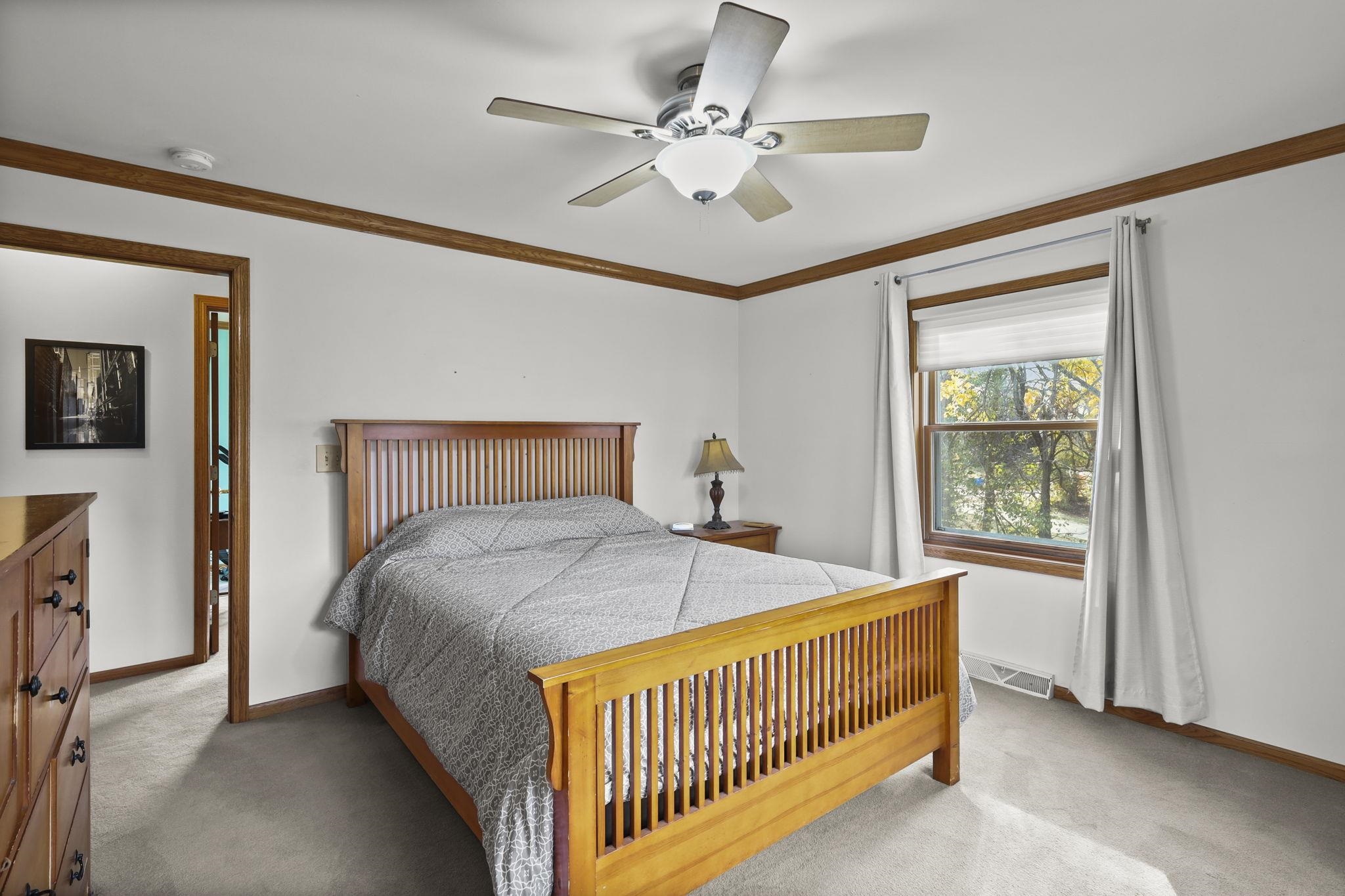
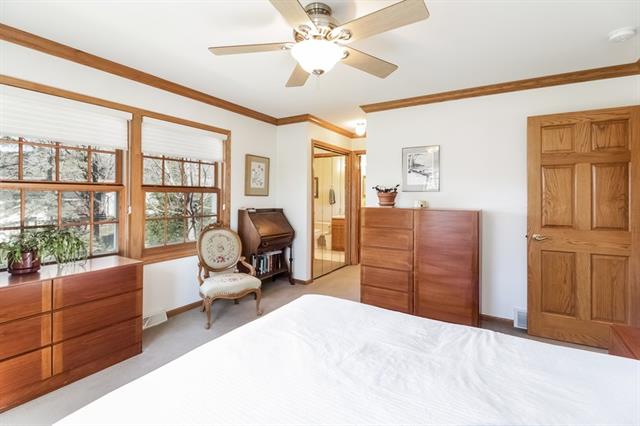
- Primary Bedroom: 16 x 11
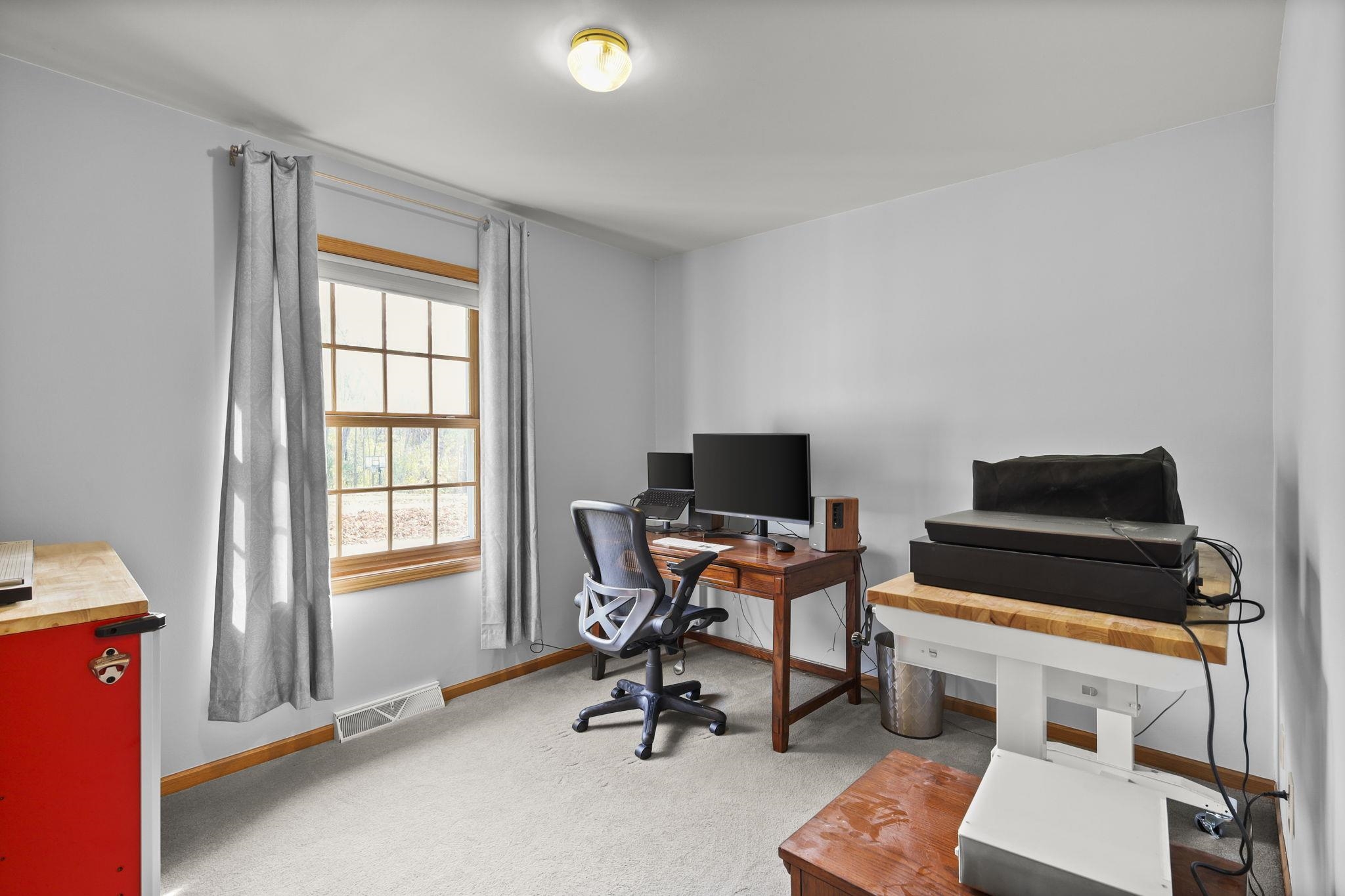
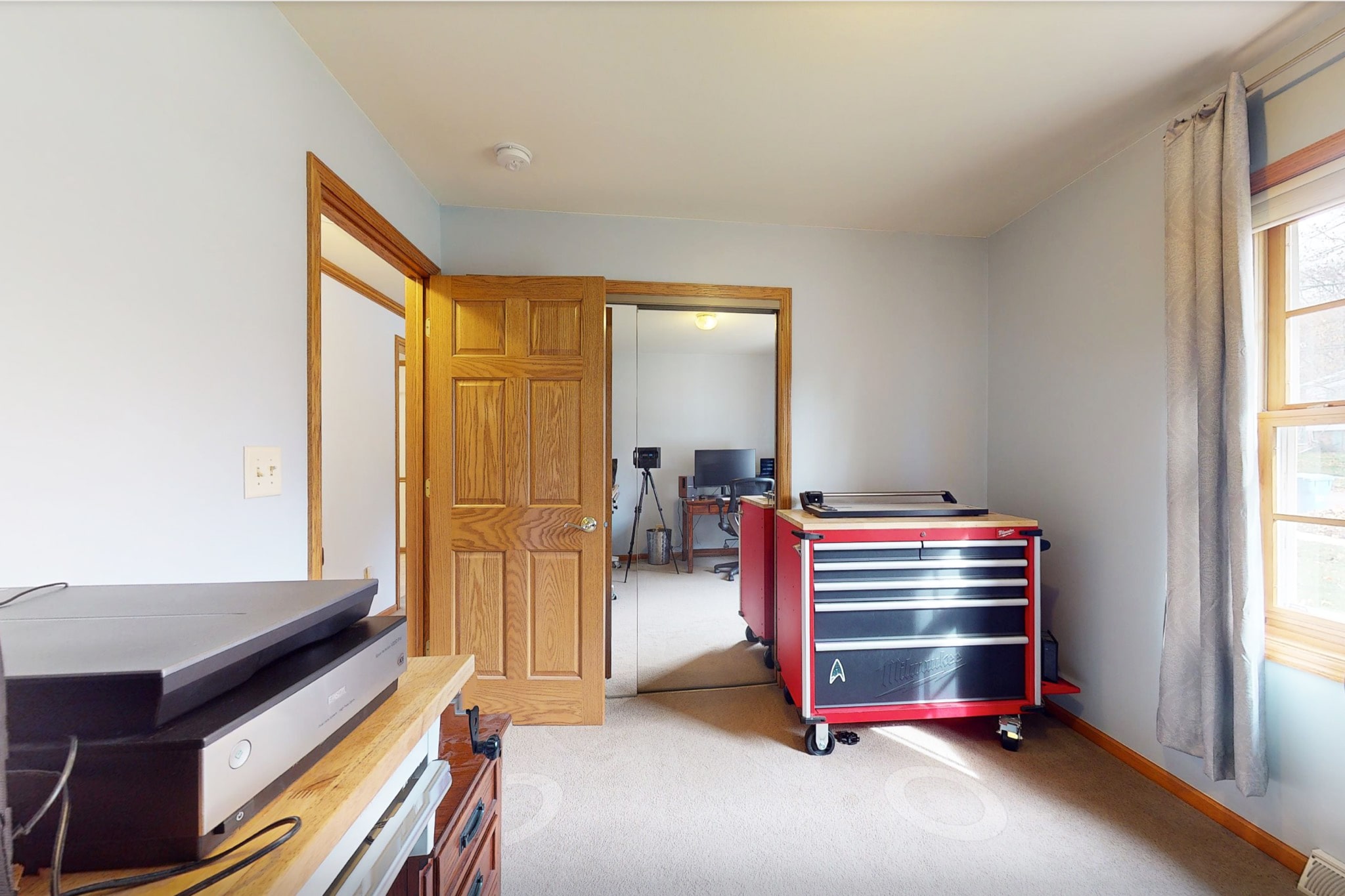
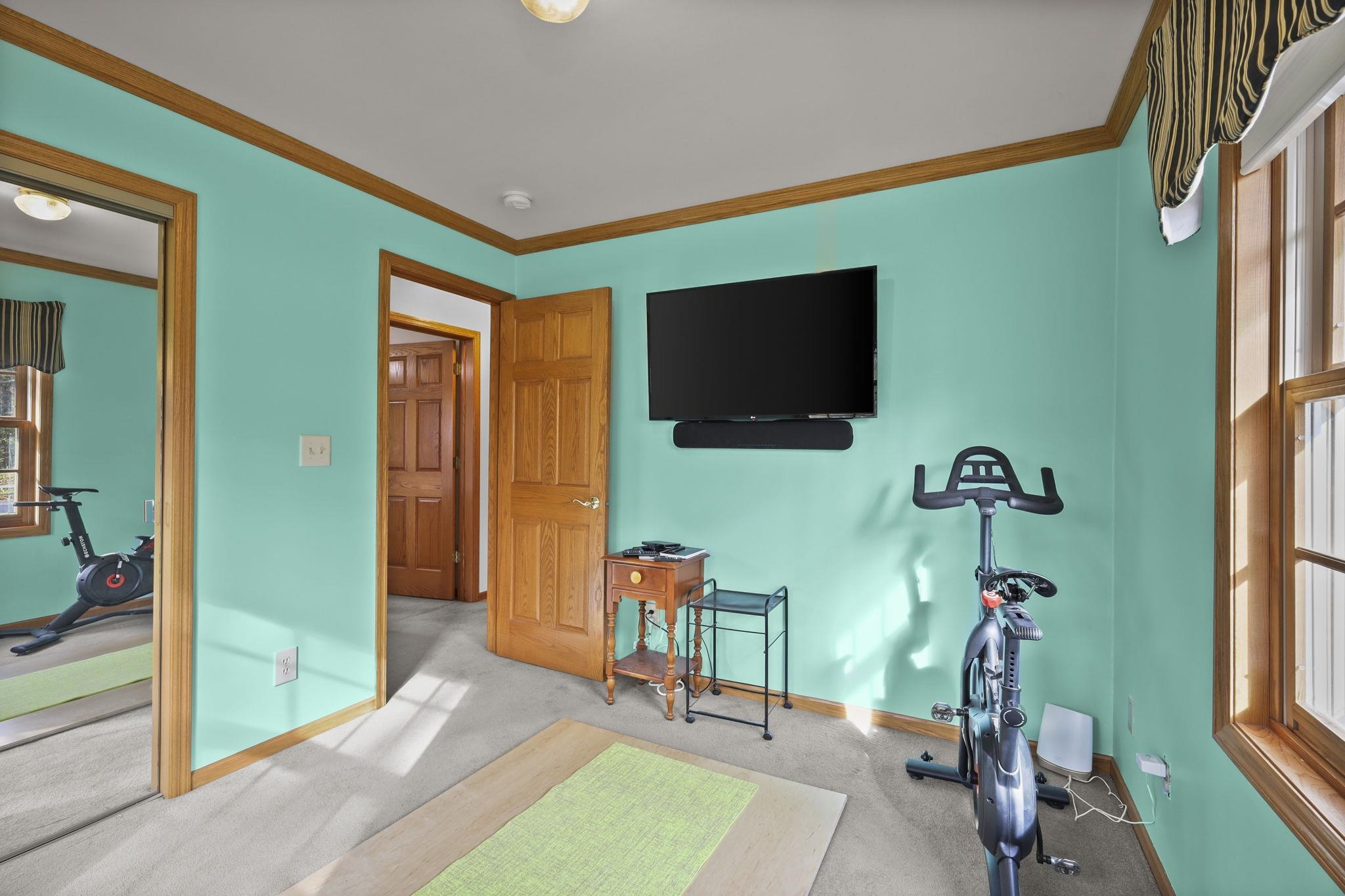
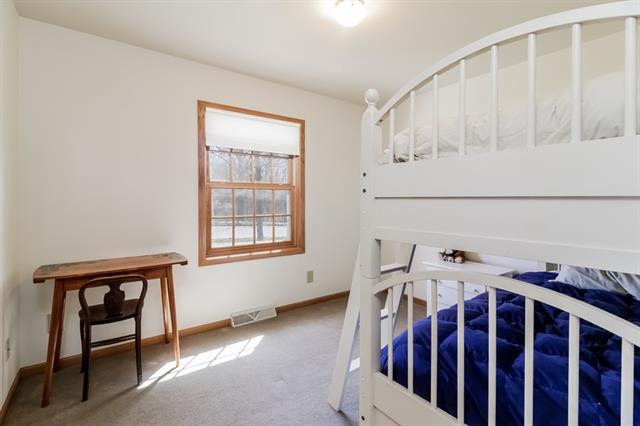
- Bedroom 2: 10 x 8
- Bedroom 3: 11 x 8
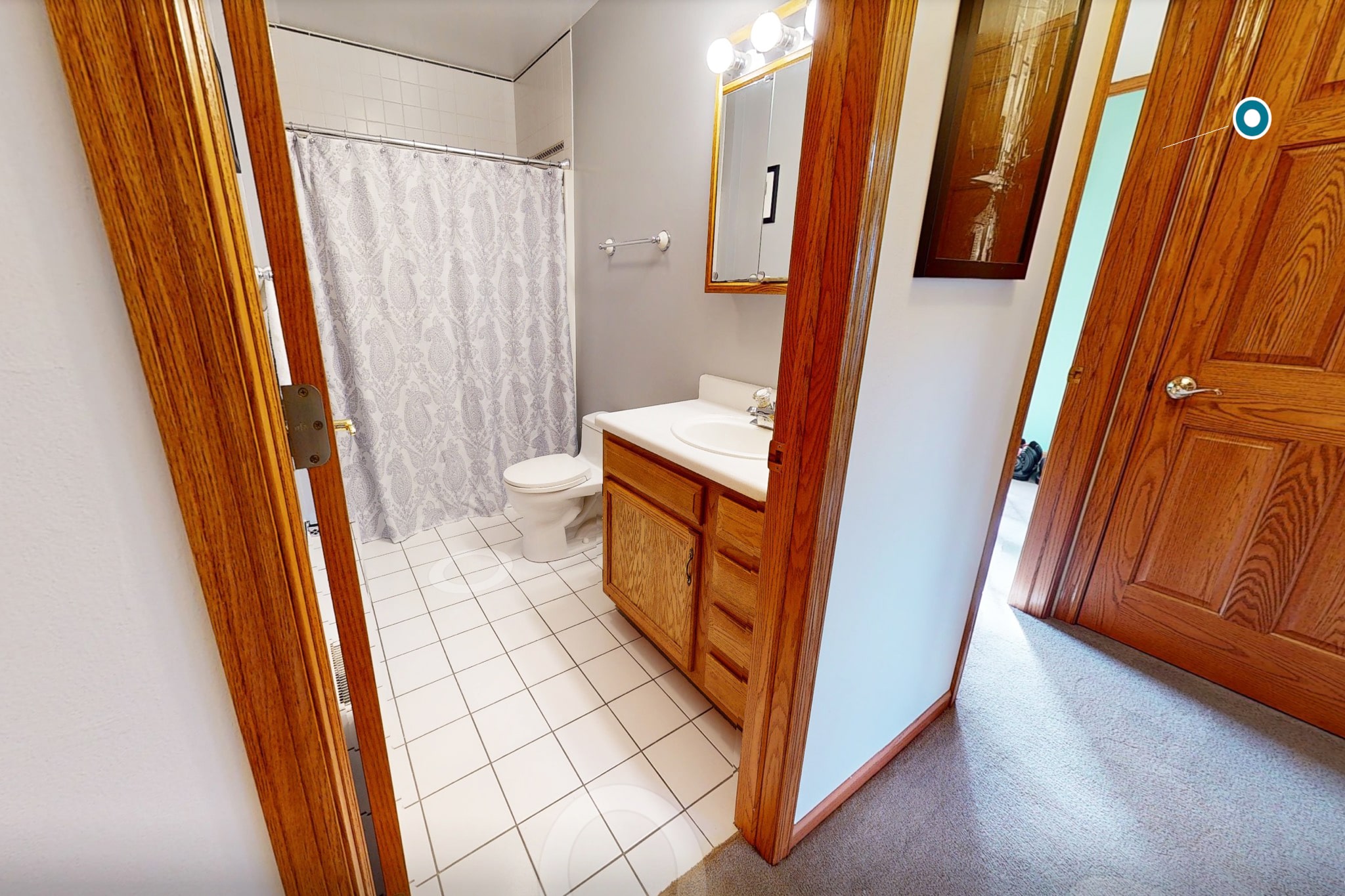
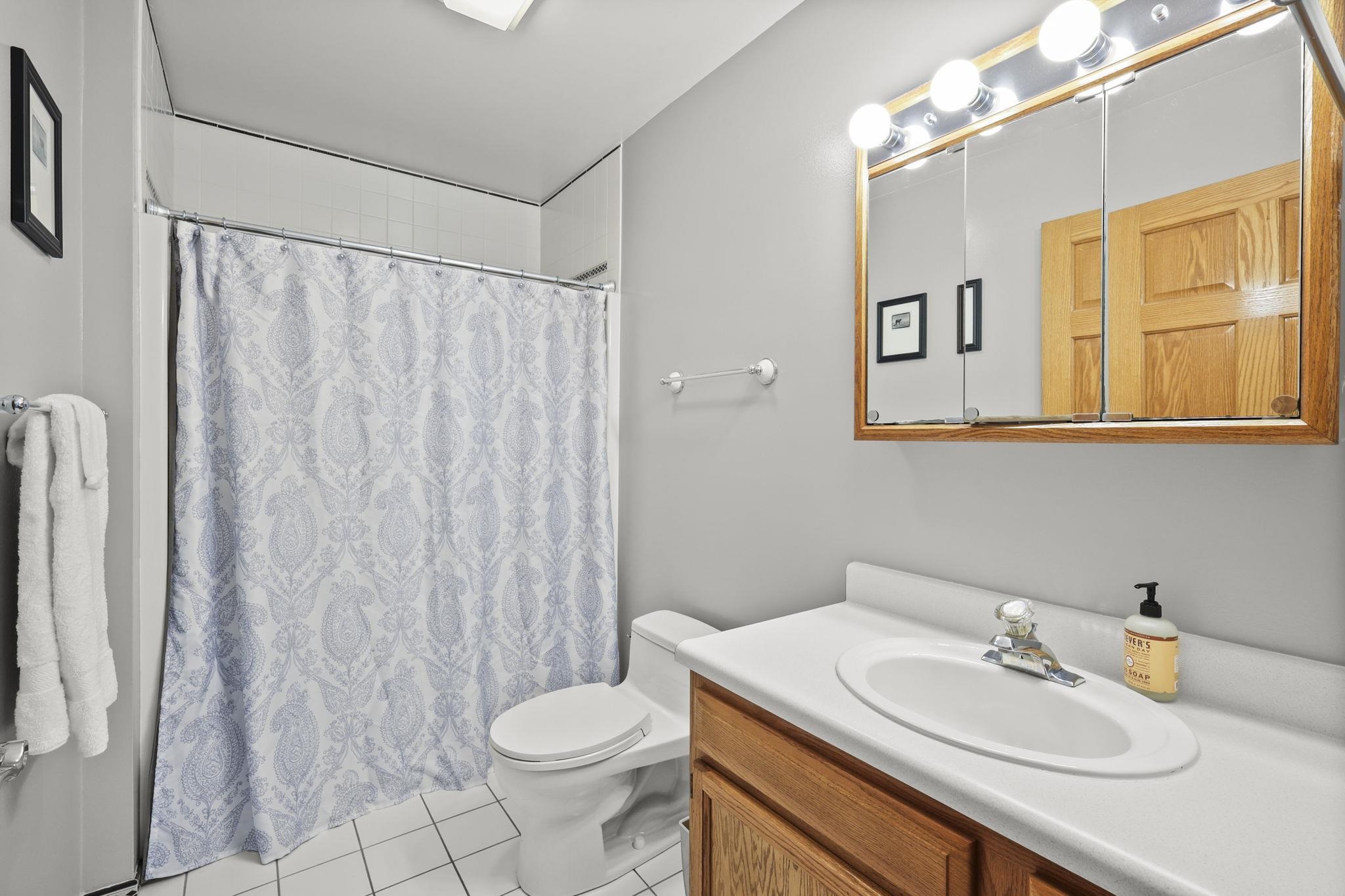
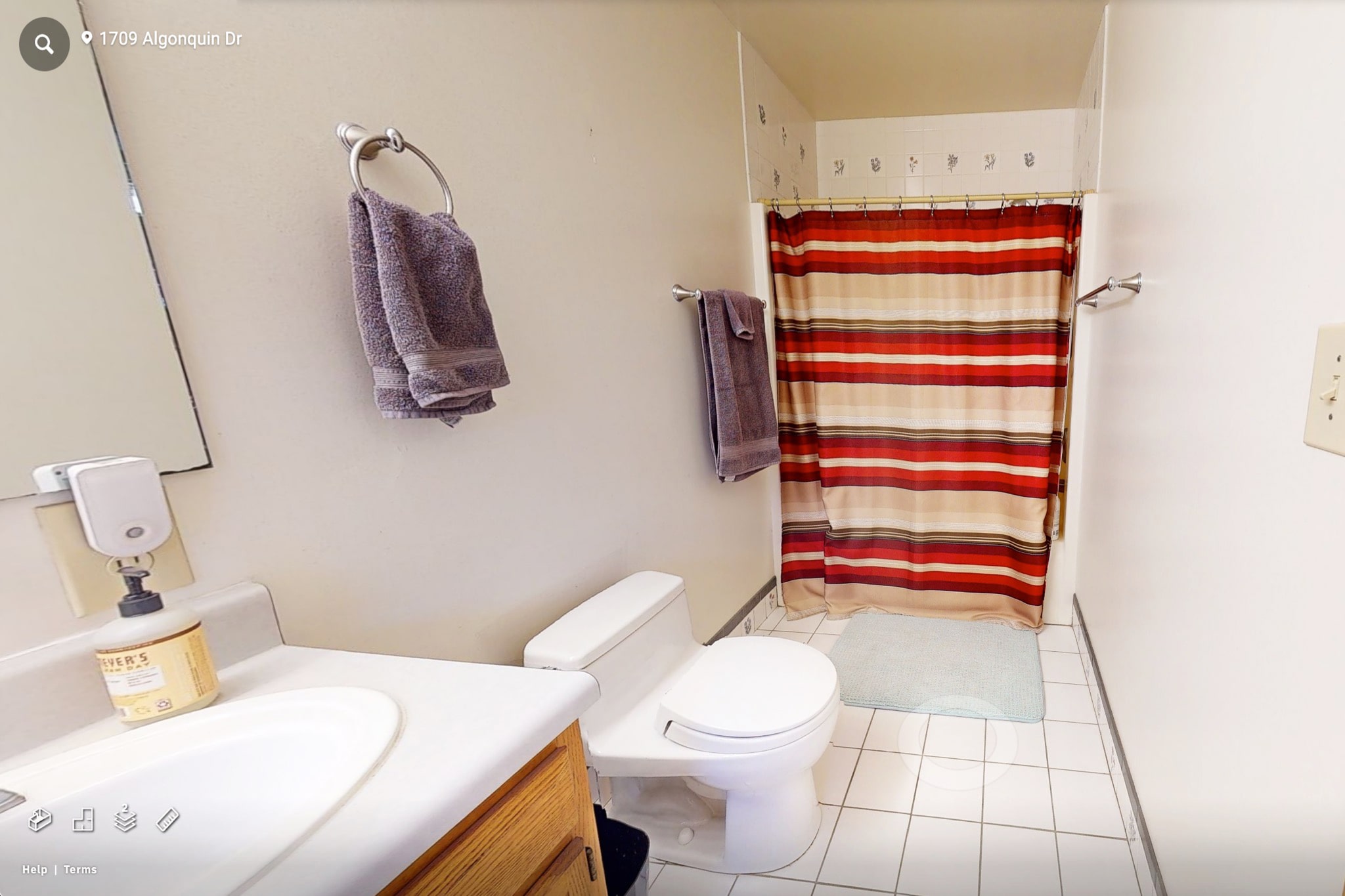
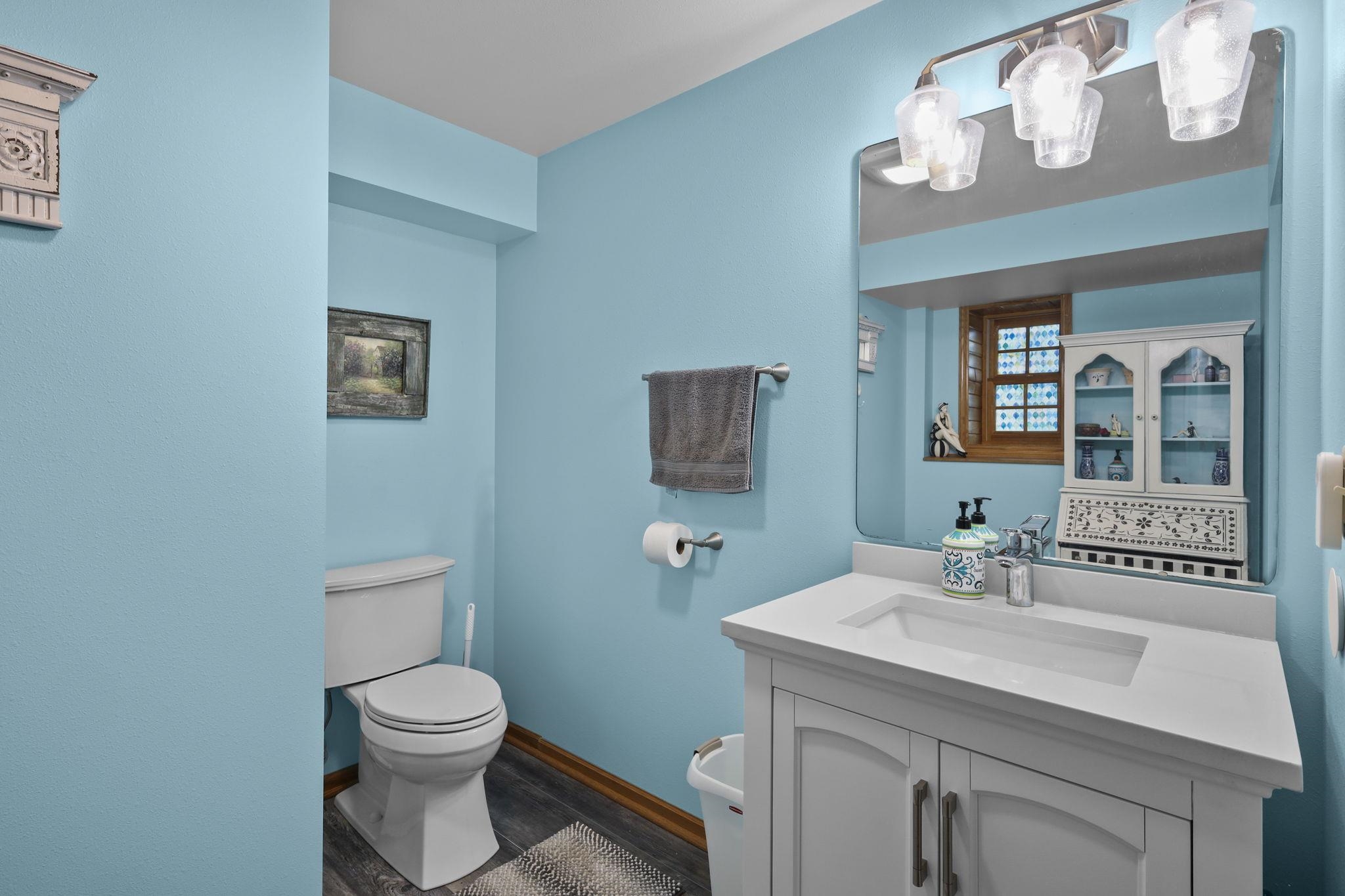
- Bathroom Guest: 9’6″ x 5’2″
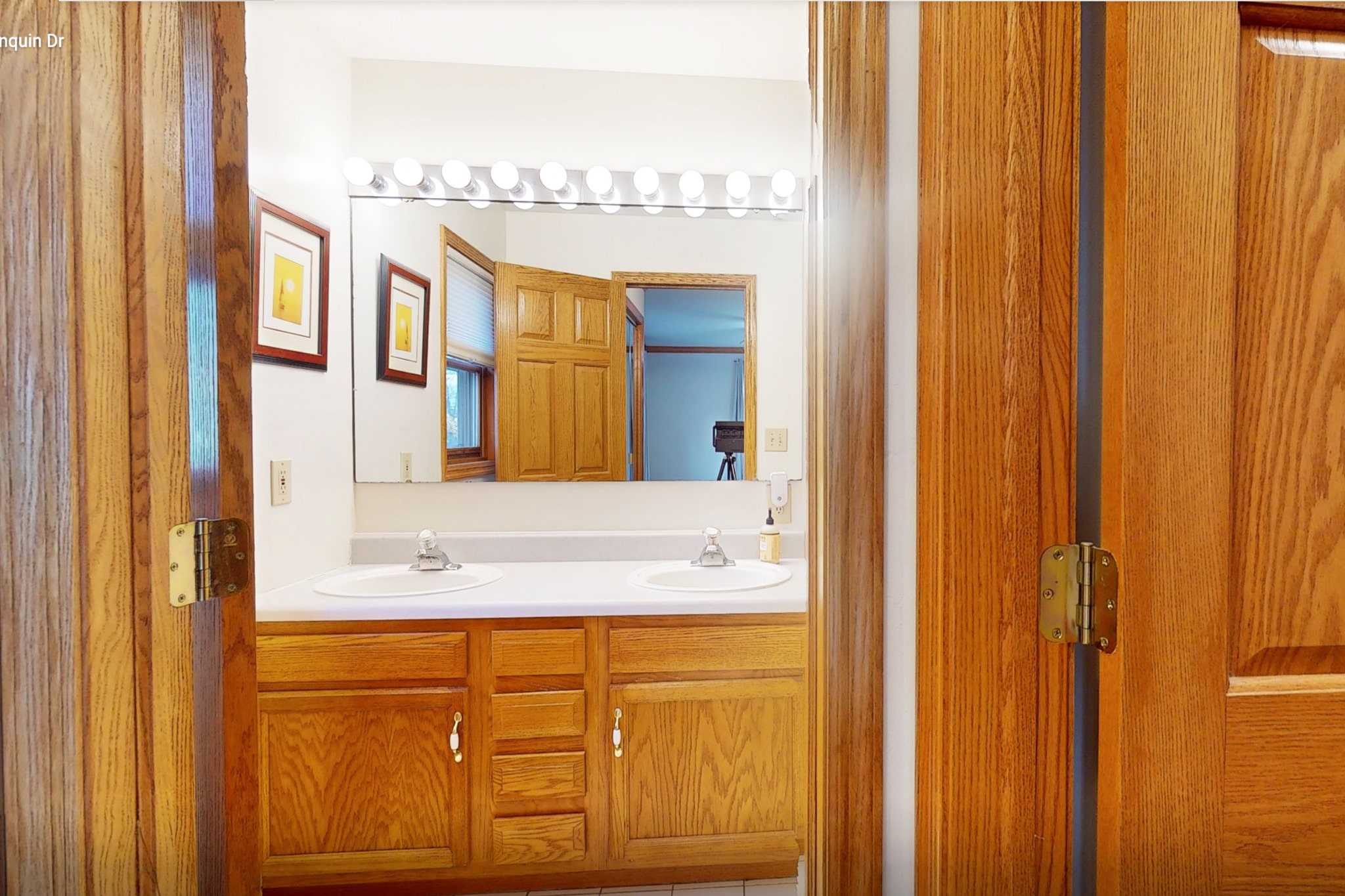
- Bathroom Primary: 4’10 x 12’10”
- Bathroom 1/2:
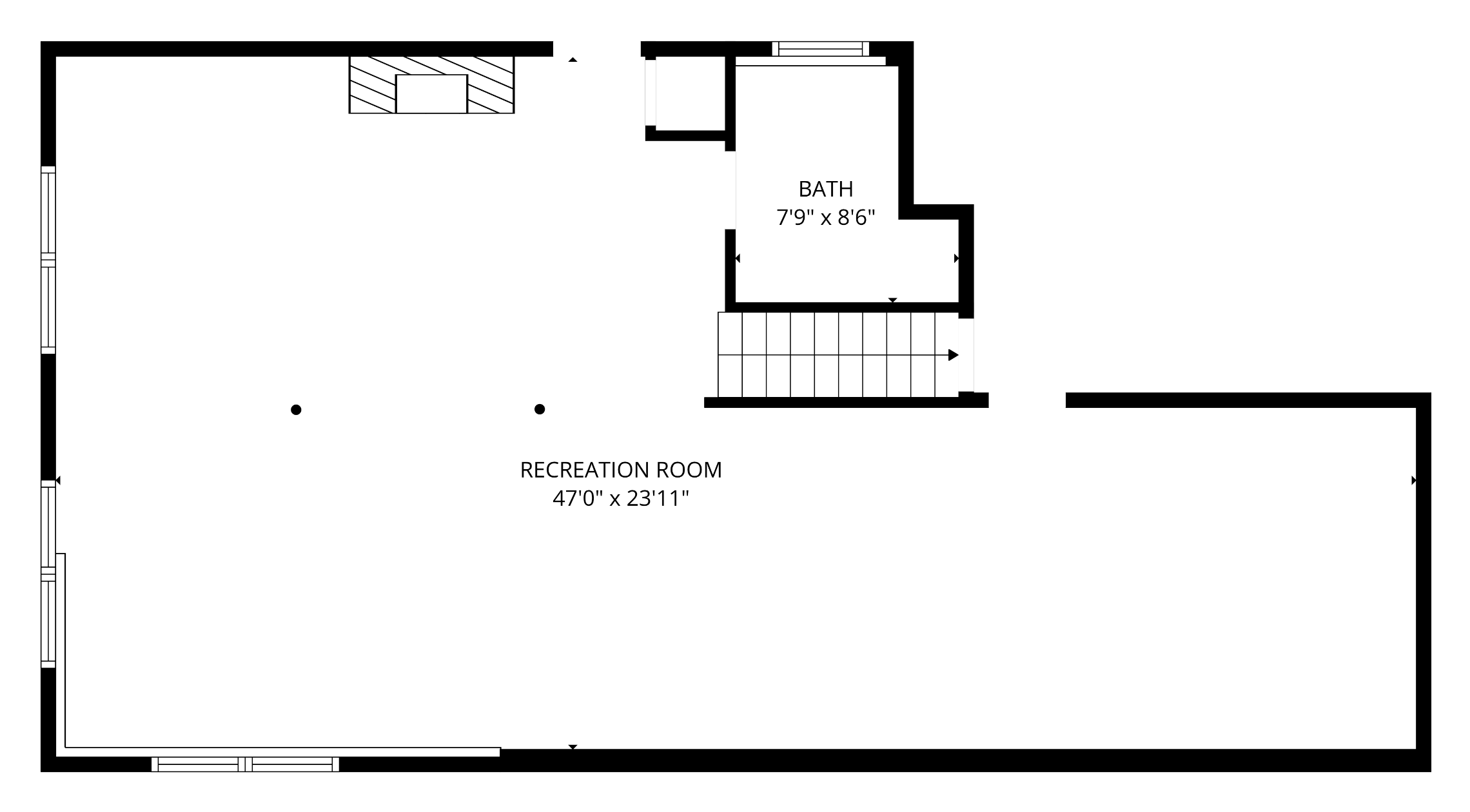
- Game/Recreation Room: 47 x 23
- Interior Features W/D, Softener, Cable, Internet-Fiber, Smart Thermostat
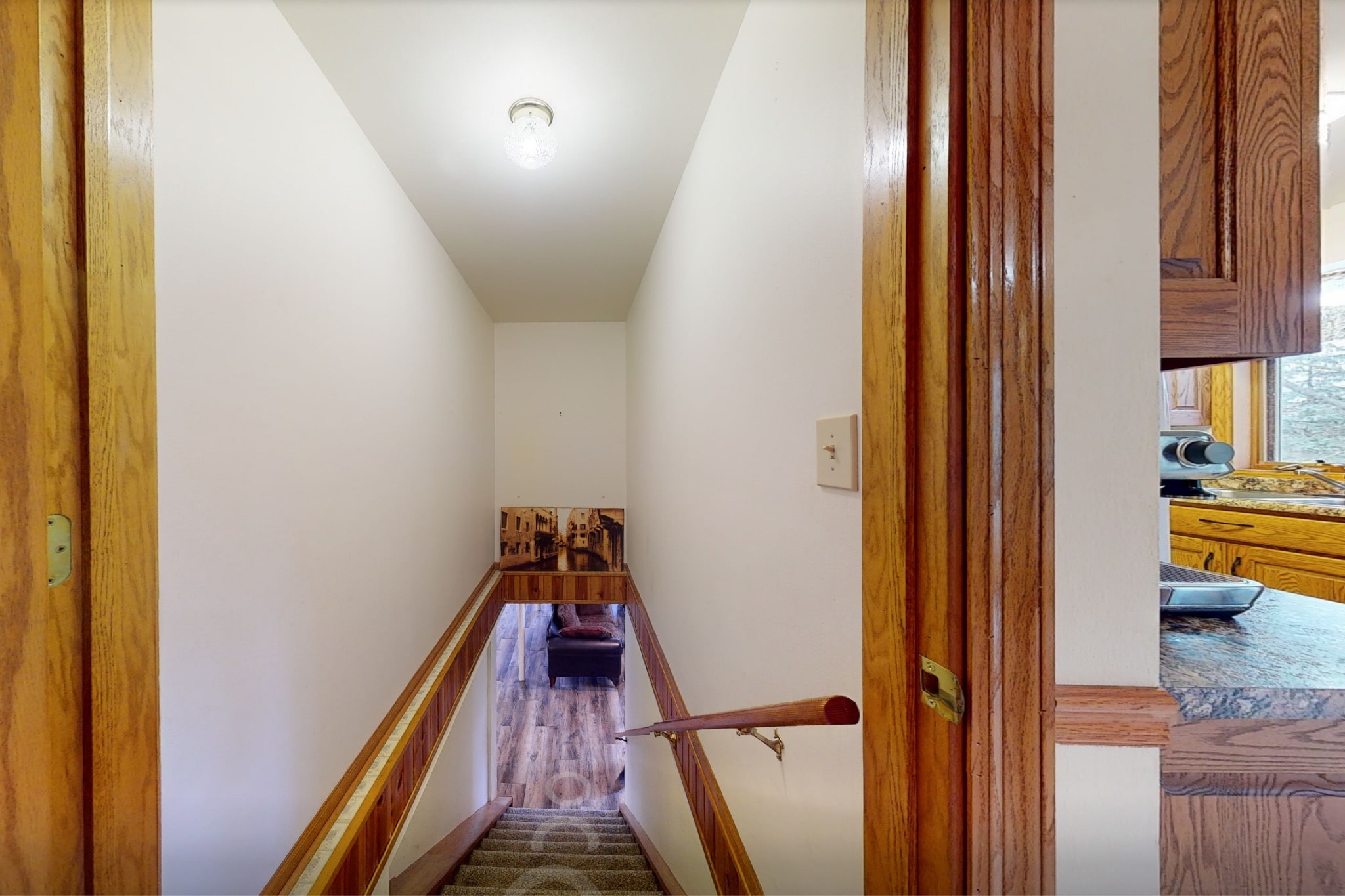
- Basement Full, Full Windows/Exposed, Walkout, Finished, Radon Mitigation, Poured Concrete Foundation
- Land Info: Lot Acres: 0.33, Lot Square Feet: 14375
Total Sq’ Living: 2323
Built: 1995
Above Finished: 1323
Exterior: Vinyl
Improvements: 217500
Property Age: 30
BELONGS HERE
big brooch
DO
⊗ railing spores
paint shutters
FIND
STOCK
6 outlets
2 outlet covers
1 slider dimmer
3 curtain rods
3 sets curtains
LET GO
maroon couch-loveseat
maple table-chairs
coat rack bench
4 bar stools
2 sq metal tables
To cleanse a new home, start with a thorough physical cleaning, then use symbolic methods like smudging (sage, palo santo), sound (bells, clapping), and salt (bowls in corners, sprinkling) to clear stagnant energy, always opening windows for release and setting clear intentions for positivity and welcome. Incorporate traditions like Hindu rituals (boiling milk, rangoli) or Feng Shui principles for abundance and balance to invite good fortune.
Physical & Intentional Cleansing
Declutter & Deep Clean: Remove old items, dust, vacuum, and clean every corner to physically clear stagnant energy.
Open Air & Light: Open all windows and doors to let fresh air and sunlight in; this symbolizes inviting positive energy.
Set Intentions: As you clean or perform rituals, state your intention aloud, like welcoming love, peace, and good fortune.
Energy Clearing Rituals
Smudging (Smoke Cleansing): Use dried sage or palo santo, light it, blow out the flame, and let it smoke. Walk through each room, wafting smoke into corners, closets, and doorways. Keep windows open for smoke (and negativity) to exit.
Salt: Sprinkle sea salt at entrances or place bowls of salt in corners overnight to absorb negative energy, then dispose of it outside.
Sound: Use bells, singing bowls, or even clapping to break up stagnant energy in each room, focusing on corners.
Welcoming Positive Energy
Offerings: Bring in bread, salt, honey, or a plant, representing abundance and hospitality.
Candles & Color: Light candles or choose colors that promote warmth and positive vibes.
Crystals: Place crystals like selenite to absorb negativity and bring protective energy.
Traditional/Spiritual Practices
Hindu (Griha Pravesh): Boil milk until it spills over for prosperity, create Rangoli, burn incense, and chant.
Christian: Anoint doorways with oil, pray, and read scriptures like Psalm 91 for divine protection.
Key Takeaway
Combine practical cleaning with spiritual practices that resonate with you, focusing on removing the old and actively inviting positive, loving energy into your new home.
DO
paint walls/ceiling
↔ outlets/switches
remove light kit
FIND
paint
window covering
switches & outlets
Wayfair
Home Depot
BELONGS HERE
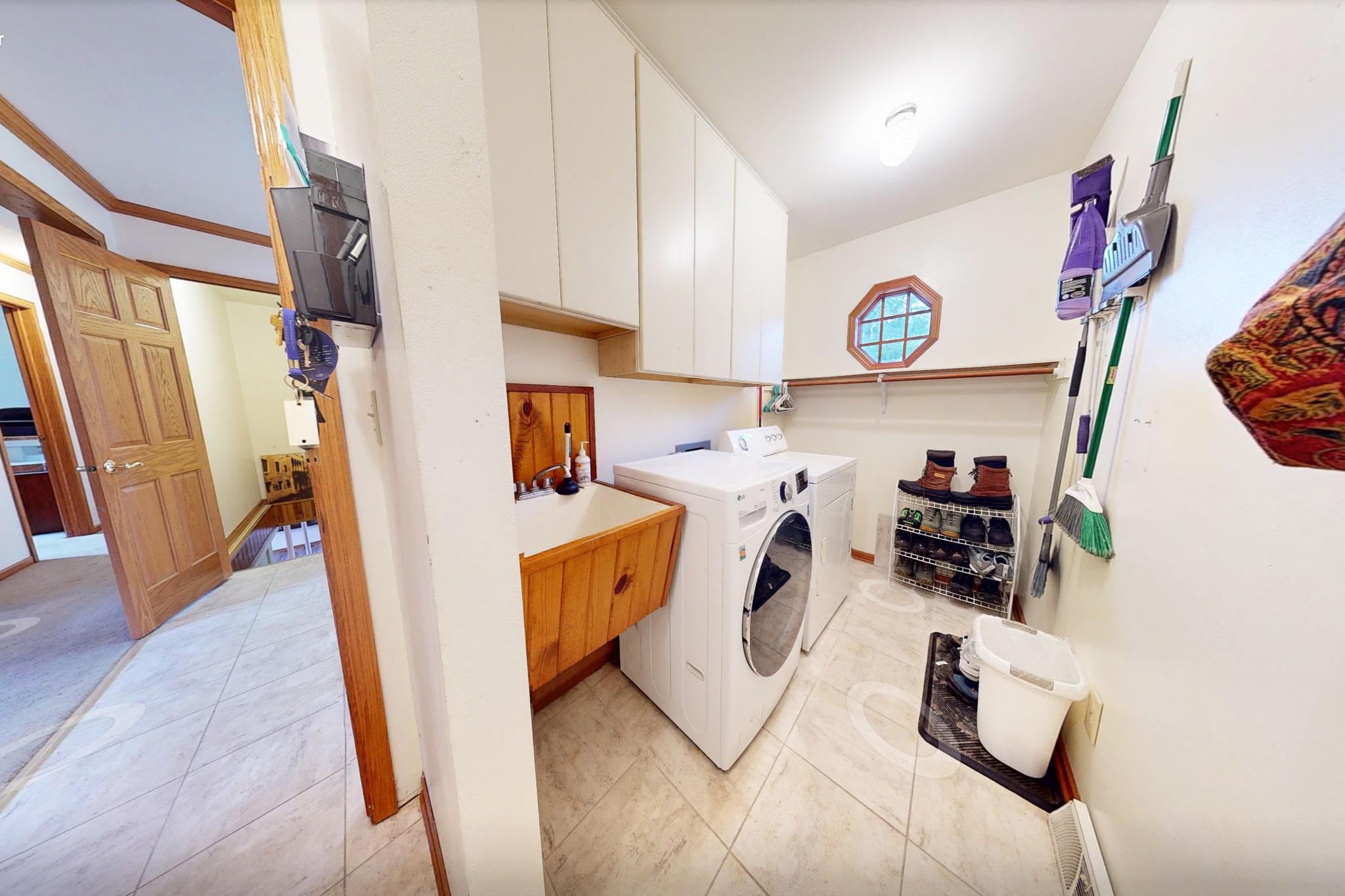
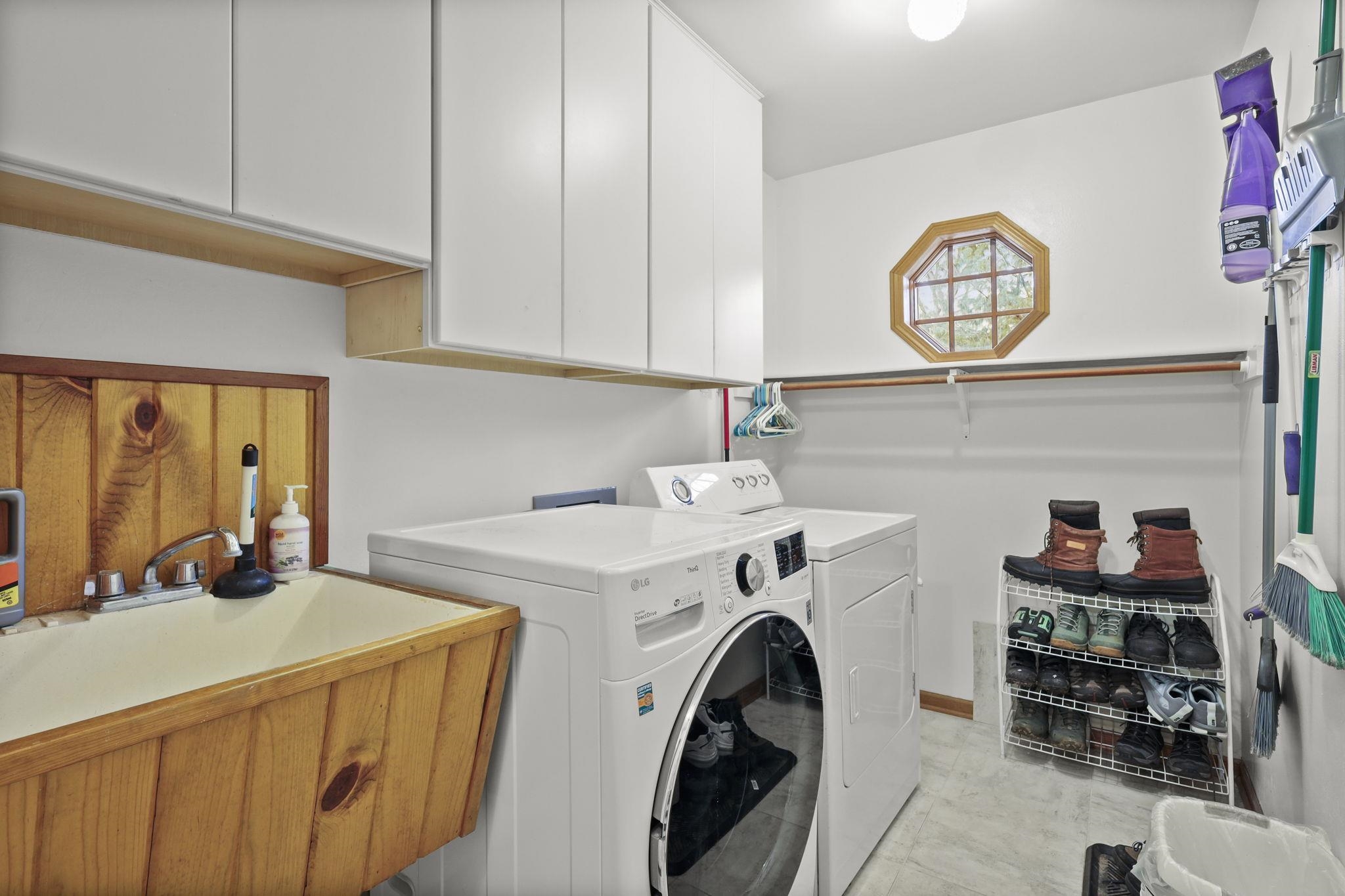
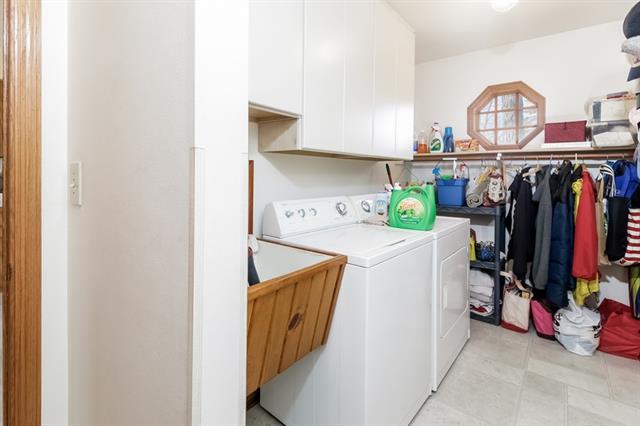
laundry stuff
coats & jackets
boots
pet food
cleaners
paper towels
paper goods
shelf liner
DO
⊗ grid in window
⊗ wood over sink
FIND
board for sink
BELONGS HERE
??
DO
??
| QTY | PLATE | PART | QTY |
|---|---|---|---|
| sngl switch | switch | ||
| 4 | dbl switch | 2 switches | 4 |
| 6 | sngl outlet | outlet | 2 |
| dbl outlet | 2 outlets | ||
| sngl dimmer | dimmer | ||
| 1 | dbl dimmer | 2 dimmer | 2 |
| 2 | switch/outlet | 1 switch, 1 outlet | 2 |
| 2 | grounded | outlet | 2 |
BELONGS HERE
dining table
4 chairs
moppe boxes & lamp
tree of life hanging
DO
remove cabinet (patch holes)
remove crown molding (patch holes)
remove chair rail (patch holes)
paint walls & ceiling
replace outlets and switches
replace ceiling fan
FIND
dining light
BELONGS HERE
kitchen stuff
fridge
DO
⊗ wood on sides of fridge
↔ window cranks
FIND
cabinet lights
sink light
ceiling fixture
oven
BELONGS HERE
art
DO
↔ wood trim
add drywall
↔ light
FIND
track lights
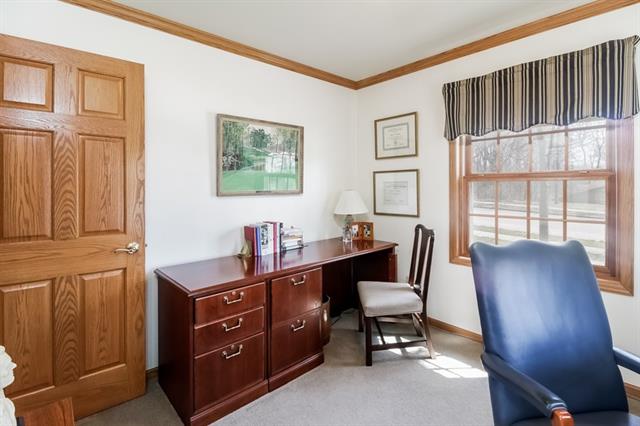
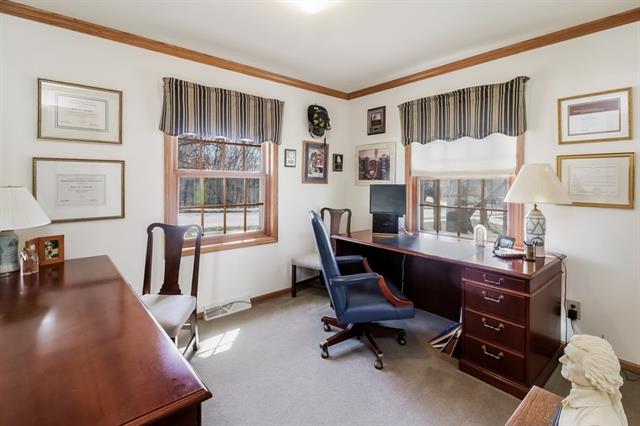
BELONGS HERE
art
DO
⊗ crown molding
↔ lights
FIND
lights
BELONGS HERE
desk
chair
red lamp
2×4 Kallax
boho things
CLOSET
silver shelves
DO
⊗ window grids
⊗ curtains-rod
↔ outlets-switches
FIND
BELONGS HERE
full bed-frame
suitcases
CLOSET
seasonal clothes
suitcases
DO
⊗ window grids
⊗ valances-patch
⊗ crown molding-patch
paint walls/ceiling
↔ outlets and switches
FIND
ceiling light
Swiss Coffee Ben M
BELONGS HERE
white towels
white waffle curtain
hand soap pump
birch basket-towels
DO
paint tiles
fix sink
FIND
towel bars
tub stopper
faucet
tile paint
mirror
vanity light
2 towel bars
BELONGS HERE
king bed-frame
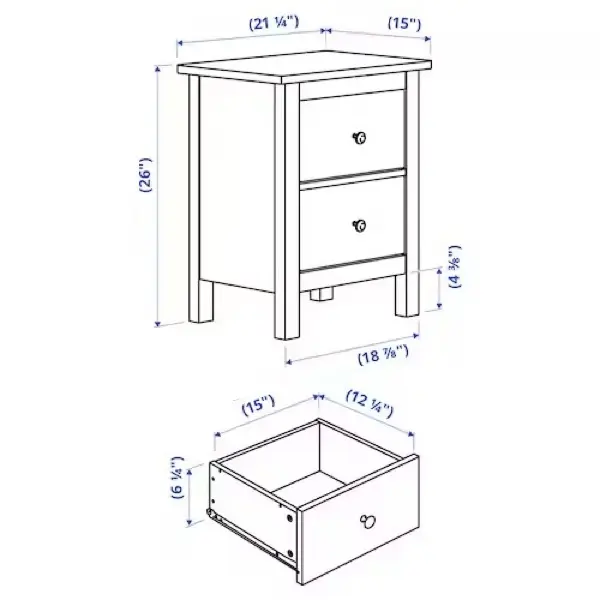
white nightstands
table lamps
Kallax 2×4
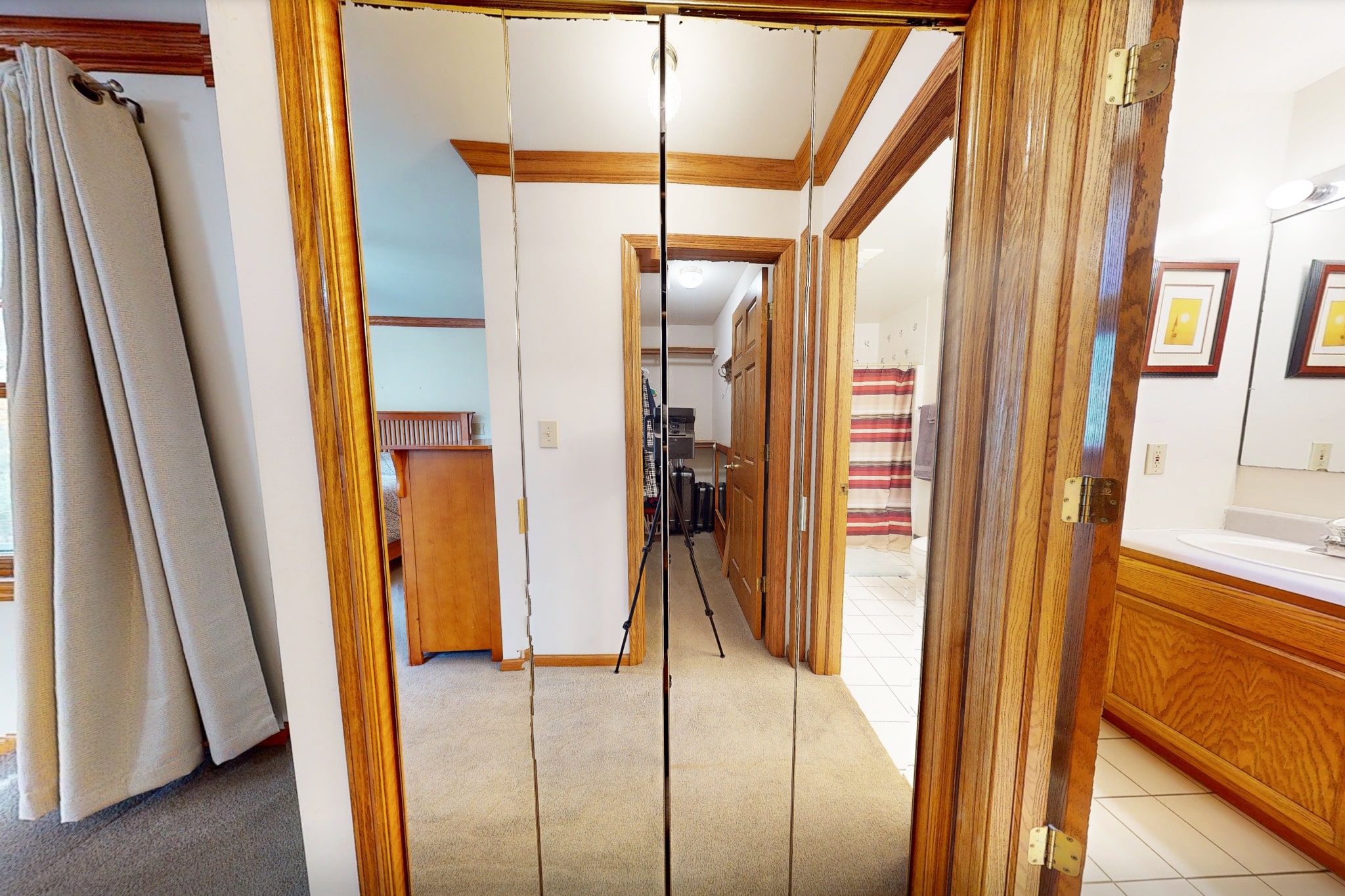
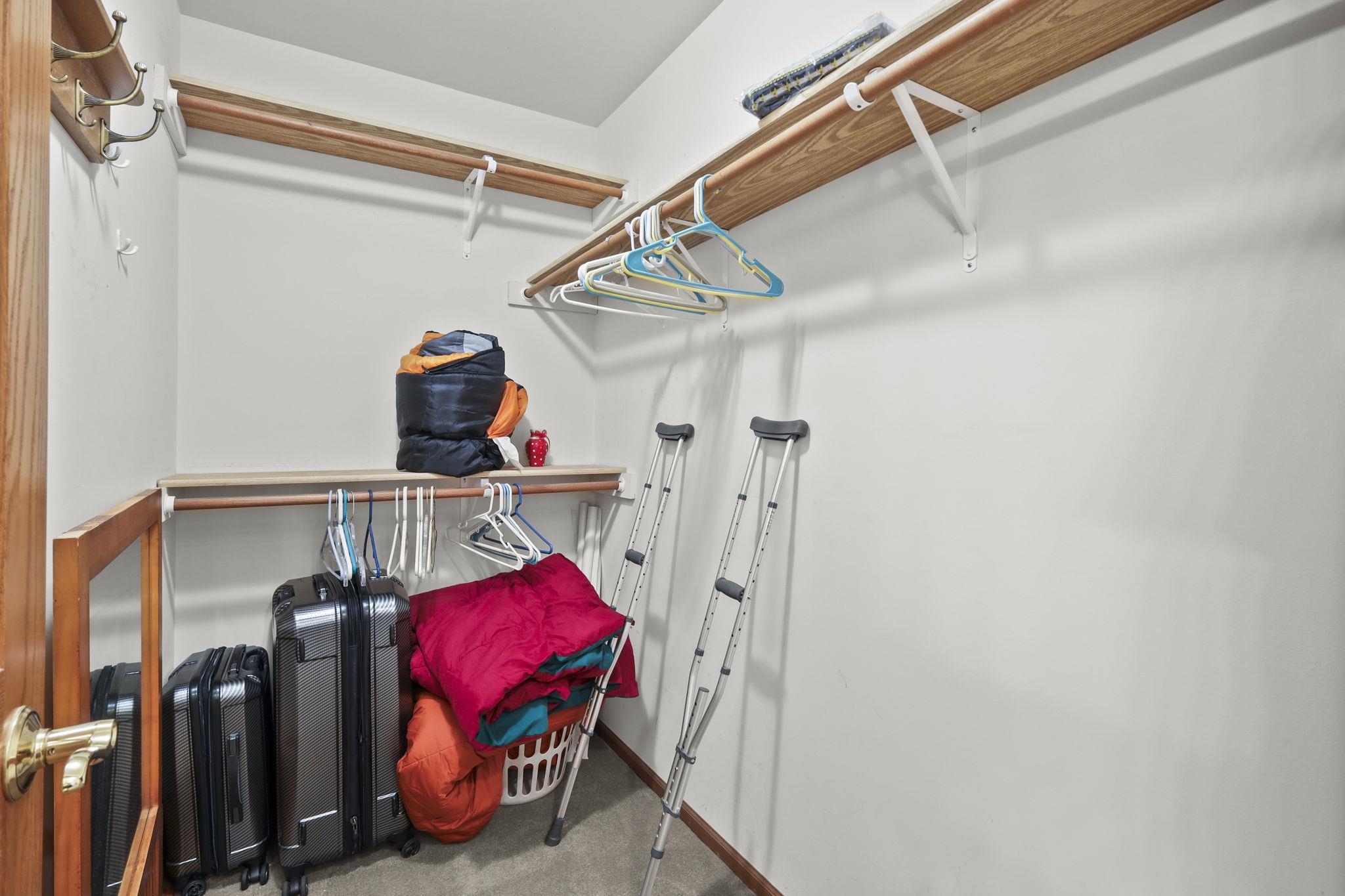
CLOSET
4 willow baskets
1 willow basket
2 straw baskets
2 brown baskets
4 sm. brown baskets
1 long brown basket
laundry hamper
clothes & shoes
linens
personal care
DO
⊗ window grids
⊗ curtains-rod patch
⊗ crown molding patch
paint walls-ceiling
↔ outlets-switches
FIND
ceiling fan
window blinds
BELONGS HERE
shower curtain
towels
DO
paint tiles
FIND
toilet
tile paint
mirror
vanity light
2 towel bars
BELONGS HERE
brown rug
buffet
2 lamps
brown couch
recliner loveseat
coffee table
round table
DO
remove burgundy loveseat & sofa
replace outlets and switches
cover for phone jack
FIND
outlets and switches
6 sets of blinds
BELONGS HERE
mini fridge
glasses
glass pitcher
liquor
Nesco
crock pot
big crock
roasting pans
air fryer
bullet
blender
DO
move fridge
wallpaper cabinet
FIND
large mini fridge
BELONGS HERE
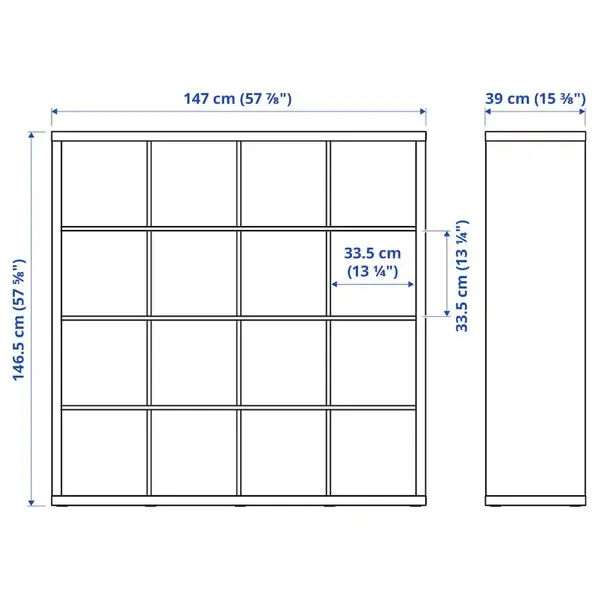
1 Kallax 4×4
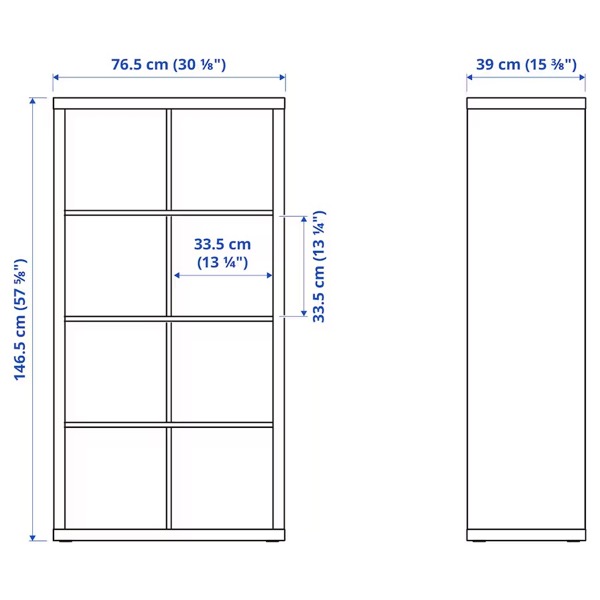
6 Kallax 2×4
1 Kallax 1×4
DO
organize shelves
FIND
BELONGS HERE
DO
⊗ window grid
⊗ window cling
FIND
reeded glass cling

Furniture & Accents
Living
Karlstad Sofa
Width: 111″
Depth: 95″
Height: 37″
Karlstad Footstool
Width: 31.9″
Depth: 24.8″
Height: 18.1″
Wakefield Coffee Table
Width: 38″
Depth: 38″
Height: 18″
Wakefield End Tables
Width: 17″
Depth: 30″
Height: 22″
Wakefield TV Table
Width:
Depth:
Height:
High-back Chair
Width:
Depth:
Height:
Moppe Boxes
Width: 16.5″
Depth: 8″ 9 w knobs
Height: 47.5″
Wood Bench
Width:
Depth:
Height:
retro table lamps 2
tripod floor lamp
stair lamp
starburst clock
painting
hornets nest
gourds
blanket basket
Office / Art
Kallax 4×4 1
W: 57 7/8″
D: 15 3/8″
Ht: 57 5/8″
Kallax 2×4 6
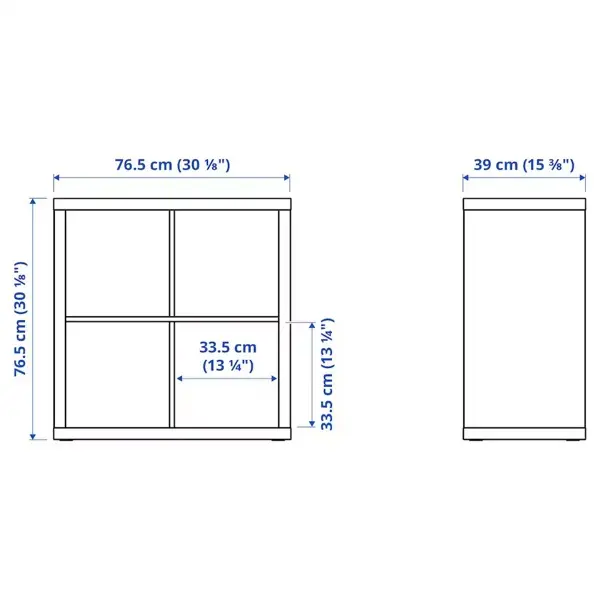
W: 30 1/8″
D: 15 3/8″
H: 57 5/8″
Kallax 1×4 1
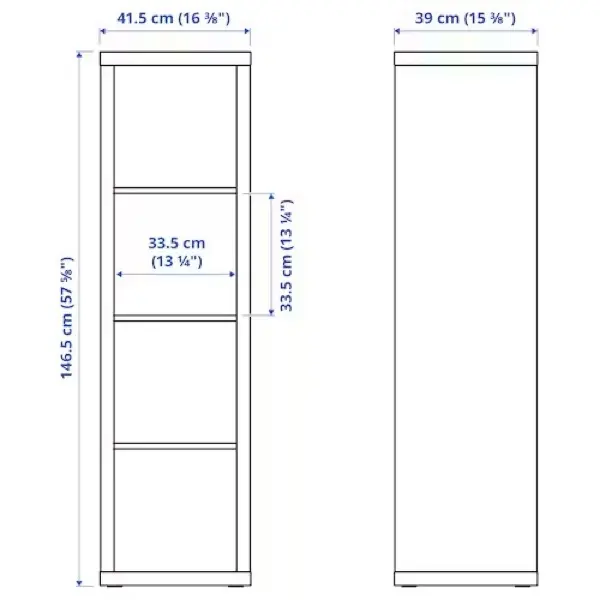
W: 16 3/8″
D: 15 3/8″
H: 57 5/8″
Kallax 2×2 2
W: 30 1/8″
D: 15 3/8″
H: 30 1/8″
Kallax Doors 5
Kallax 2 Drawer 26
Kallax 1/2 shelf 26
Kallax bottle grid 1
Metal Carts 3
W22″ x D12.5″ x H43″ 29½+13½
Art Carts 2
W19″ x D15.5″ x H33″
Dining
Dining Table
Width: 42″
Depth: 9′
Height: 29″
Dining Chair 4
Width:
Depth:
Height:
Buffet
Width: 5′
Depth: 18/21″
Height: 35″
Bar Stools 4
Width:
Depth:
Height:
Pet Cabinet
Width:
Depth:
Height:
ceramic lamps 2
small wire lamp
pet cabinet
sideshow bob
How To Paint Your Front Door
Helpful hints before you pick up your brush.
When to Paint
Painted doors usually require touch-ups, however you may be ready for a new look. Either way, plan for time (a weekend) to select a color, buy your supplies and complete the task. The time of year and weather forecast are also important. Clear, sunny days with mild temperatures are the best choice.
Choosing a Color
Paint chips is a great way to start. Tape them to the door, and possibly purchase small samples to compare the colors next to one another after you have it narrowed down to two or three. View the swatches at different times of the day to see how the color changes as the light changes. Try a splash of gorgeous color to boost curb appeal and make your front entry more welcoming.
Paint to Use
For a single exterior door that has been primed you’ll need approximately one quart of paint. No glass or storm door? Make sure you use exterior paint. While you can choose any finish, glossy paints are typically preferred for doors and trim, because they stand out and highlight these architectural features.
They also tend to stand up to nicks and scrapes better than flat or eggshell paint, meaning they could last longer. The most important thing to note is whether you have a latex- or oil-based paint. This is especially important for touchups, as you never want to paint oil over latex paint or vice versa. The type of primer you use also needs to match the type of paint you use (latex or oil-based).
Prep Work
You can paint your door in place or remove it from the hinges if you have a storm or glass door to protect your home and keep bugs and debris from floating into your home. You can also tape a tarp over the opening if you prefer to remove your door to paint. As mentioned above, you’ll also want to prime the door before painting, if you are changing colors. Whether you paint your door in place or on sawhorses, you will want to remove all the hardware.
Secondly, you’ll want to clean the door with a wet rag, and then use a sander or sandpaper to remove any imperfections. Be sure to wipe away the dust from sanding before painting.
How to Paint
Start by applying the primer. Cover the door completely. You can use a roller for this application. When the primer is dry, use a paintbrush to go over any trim work or details on the door. Next, it’s finally time to paint. You can use a low-nap or foam roller or a paintbrush for this.
A paintbrush will give you a nice “hand-painted” look. Even if you use a roller, you can use a brush for the final coat to achieve this look. Allow the door to dry completely before reattaching the hardware and rehanging the door, if you removed it to paint.
Along with the door color, we installed new lighting, added doormats to match the new color and accented the space with fresh plants.
Tools and Materials
sanding block
painter’s tape
paintbrush
combination paint and primer
rags and drop cloths
paint bucket
paint stir stick
Optional
new hardware
doormat
outdoor lighting
- Remove Hardware Remove knobs, locks, knockers, etc. Not replacing them? take Give them a fresh polishing while the paint dries.
- Cover Built-In Hardware Hardware that can’t be removed – use painters tape to cover them.
- Prep Surface A fresh coat will adhere better if the finish on the existing coat is knocked down a bit. Use a sanding block with fine-grit sandpaper to ready the surface for the new paint.
- Remove Dust Clean the door thoroughly with a rag to make sure there is no dust remaining on the surface.
- Paint Lay down a drop cloth. Paint with an exterior-grade paint-and-primer-in-one. Leave the door slightly open to make sure you get the edges. Follow dry time instructions. You may need two coats for full coverage. Start in the recessed areas with a brush then follow up with a roller on the flat areas.
- Reattach Hardware Replace the hardware. You may want to upgrade the knob, lock, kick plates, etc. to go with your vivid new door color.
- Consider Painting Trim Too With a new door color, you may find you need to paint the surrounding trim as well.
There are many variations of the basic colors. The paler versions give us the same qualities as the bold color but in a gentler way. When decorating an area – the complementary colors, and their variations, should be remembered and combined with our main choice of color by way of soft furnishings perhaps, pictures etc.
It is also helpful to take in to account the aspect of a room. For example, should you require a calming atmosphere in a north facing room, which may well be one of the colder rooms in your house, remember to use some warm colors (i.e. variations of the warm colors of yellow, orange and red) to avoid the room feeling colder.
Following is a table of colors and their suggested uses in various areas.
Color Effects Suggested
- VIOLET: Calming for body and mind. Good for meditation and prayer. Enhances purpose and dignity. Heightens our awareness and helps us to give of our very best. Purifying.
- INDIGO: Sedative. Helps to open up our intuition. The color of divine knowledge and the higher mind.
- BLUE: Calming, relaxing and healing. Not as sedating as indigo. Also, the color of communication.
- GREEN: Balancing, harmonizing and encourages tolerance and understanding.
- YELLOW: Stimulates mental activity, feeling of confidence. Helpful for study as it helps us to stay alert.
- ORANGE: Warming and energizing. Can stimulate creativity. Orange is the color of fun and sociability.
- RED: Energizing, exciting the emotions, stimulates appetite.
- MAGENTA: is the eighth color in the color spectrum and is a combination of red and violet, thus it combines our earthly self and spiritual self, thus balancing spirit and matter. It is uplifting and helps us to gain a feeling of completeness and fulfillment.
- TURQUOISE: Cool and calming and good for the nervous system and immune system.
- PINK: This color soothes and nurtures. It helps to dissolve anger and encourages unconditional love.
- BLACK: Used with another color enhances the energy of that second color. Black gives us the space for reflection and inner searching.
- WHITE: Contains all the colors. It emphasizes purity and illuminates our thoughts, giving us clarity.
Areas That Work
- Violet Places of worship, entry areas to clinics and hospitals, festival areas. Pale violet in bedrooms.
- Indigo Not suitable for areas for entertainment but for more ‘quiet’ places. Bedrooms, treatment rooms.
- Blue Any rooms except those used for physical activity or play.
- Green Depending upon the shade, can be used for most areas. Use with other colors as well to avoid the balance and harmony becoming more like total inactivity and indecision.
- Yellow Activity rooms, entrance halls. Not for bedrooms as can interfere with sleep – it tends to keep our minds “switched on”. Not ideal for areas of possible stress.
- Orange Any activity area and creative areas. Not ideal for bedrooms or areas of possible stress.
- Red Any activity area. Needs careful choice of tone and depth and the space in which it is to be used. Can make a space look smaller and be claustrophobic. Used well, however, red can make a space feel warm and cozy. Often used in restaurants.
- Magenta Lecture spaces, chapels, halls etc. Not ideal for playrooms or activity rooms.
- Turquoise Any room except it is not ideal for activity areas.
- Pink Ideal fora baby’s or child’s bedroom.
- Black Not ideal as a single color, but when used with care, can enhance and complement other colors in almost any situation.
- White Any room, but it can be a little intimidating to some Needs to be broken up with another color or with plants/ornaments/pictures etc.
Babies
It should be remembered that babies and very young children will be more sensitive to the effects of color than adults and care should be taken with their room colors and their clothes.
A baby’s first experience of color is in the womb where they are enveloped in pale peachy pink. This is where they have been nurtured and where they feel safe. Thus, decorating the baby’s room in pale pink will help them feel safe in the outside world where they need time to adjust to their surroundings.
Babies are very sensitive and should be kept in white clothing as long as possible and particularly for the first nine months. Special care should be taken when choosing the color of a hat since a baby’s head is particularly sensitive.
Most experts will agree that the first nine months of a baby’s life is so important in their development on every level – emotional, mental and physical. Keep the colors pale for a baby’s room – pale pink, pale blue, pale violet, butter cream, white and ivory are all calming.
Boho Retro

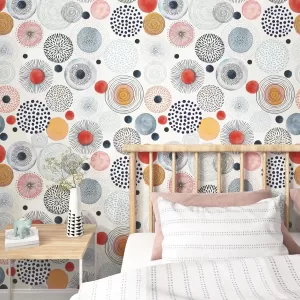
The Art of Space Clearing: Removing Negative Energy with Feng Shui
November 01, 2023 By Faith Davis
INSIDE: The art of space clearing, which expels negative energy from a room, is a vital component of Feng Shui. Here are some ideas, methods, and examples of how you can use it to improve your life today!
Over millennia, many have used the transformational power of space clearing to create uplifting and encouraging settings that support their physical, emotional, and spiritual well-being.
The energy of a space can become stagnant or out of balance, having a detrimental impact on the health of its residents on all levels. In order to reestablish a positive flow of chi, space clearing seeks to eliminate or convert this negative energy.
Space clearing is a foundational technique in Feng Shui as it is essential to producing surroundings that are peaceful and well-balanced.
What Is Space Clearing?
Space clearing uses a number of methods and rituals that are intended to cleanse and reinvigorate the vitality of a space.
Physical clutter must be removed to allow energy to flow freely and contribute to a more peaceful environment. Utilizing a variety of instruments and techniques, space clearing purges bad energy.
Here are some examples…
- Burning herbs like sage or palo santo to produce smoke that purifies and cleanses the area is known as smudging.
- Sound healing uses bells, singing bowls, or chanting to release trapped energy and bring about equilibrium.
- Crystals are employed for their energetic qualities as well, with some crystals having the ability to absorb and transform negative energy.
- Decluttering, organizing, and cleaning an area are all useful steps in the space clearing process.
The efficacy of any type of space clearing is increased by having a specific aim and concentrating all of one’s energy and thoughts on removing negativity. The practice must be approached with regard and respect, realizing the link between the material world and the energy plane.
Feng Shui space clearing is a continuous practice that helps keep the positive energy flowing. It is possible to build an atmosphere that promotes well-being, healthy relationships, and aspirations by consistently engaging in the methods mentioned above.
Identifying Negative Energy
The existence of sluggish or unbalanced chi is referred to as having negative energy in Feng Shui, and it could have an unpleasant effect on those exposed. For the surroundings to be peaceful and balanced, it is crucial to know how to first recognize bad energy.
Physical manifestations of grievous energies could be recognized in a place that seems lifeless or heavy. It can aggravate physical ills like headaches, sleeplessness, or digestive problems, as well as feelings of exhaustion and restlessness.
Spaces that are cluttered or chaotic tend to feel stagnant and have a negative vibe. This is because they obstruct the natural movement of chi.
Spotting bad energy requires paying close attention to both the subtle energetic signs and the general vibe of a location. Some common indications of this unwanted energy include:
- Feeling heavy or uneasy upon entering a given place
- Frequently feeling down or lacking inspiration in that space
- Noticing that specific portions of a room are frequently ignored or avoided
- Mood swings or have trouble relaxing and unwinding
- Conflicts or stress in personal connections like friends, family, or coworkers
In places such as this that need some space clearing, people may experience anxiety, stress, irritation, or an overall feeling of uneasiness as a result of negative energy in a space.
From a spiritual standpoint, bad energy can impede natural human progress. It can make us feel cut off from our intuition, inner direction, or higher self. It can also make it unnecessarily difficult to properly practice meditation, mindfulness, or other spiritual disciplines.
To cleanse and transmute negative energy, we must first be able to recognize it to reestablish a good energetic flow. Recognizing and dealing with negative energy in Feng Shui is crucial for designing areas that nourish us, encouraging overall harmony and balance in our lives.
Crystals are used in space clearing as well because of their distinctive energetic qualities. Negative energy is absorbed, transformed, or repelled using certain stones like Clear Quartz, Amethyst, or Black Tourmaline.
Methods Of Space Clearing
The vital technique of space clearing is a fundamental component of Feng Shui. It is a comprehensive strategy that incorporates multiple rituals and procedures to cleanse and energize a space.
Smudging
Smudging is one of the most used methods for removing negative energy from a space. Burning plants like cedar or sage produce aromatic smoke that purifies, cleanses the atmosphere, and propagates positive energy that fills the room.
Smoke has long been believed to attract and take away bad energy, which is why it is used in many spiritual and religious practices.
Sound Healing
Another effective technique for cleansing a room is sound healing. Sound vibrations produced by bells, singing bowls, chimes, chanting, or clapping hands disperse stale energy and bring about equilibrium. Echos reverberate throughout the area, scattering and eliminating energetic impurities and energizing the surroundings.
Crystals
Crystals are used in space clearing as well because of their distinctive energetic qualities. Negative energy is absorbed, transformed, or repelled using certain stones like Clear Quartz, Amethyst, or Black Tourmaline.
A space’s balance can be improved and a peaceful atmosphere can be created by carefully placing crystals throughout.
Removing Clutter
Space clearing also includes removing clutter from a particular area. The normal flow of chi is impeded by useless or broken items, which also collect stagnant energy. Energy can circulate easily in a location that has been arranged and functionally decluttered, promoting a sense of clarity and vibrancy.
Air & Light
Another simple yet oft-overlooked method of cleansing a room is to open windows and let in natural light and air. Positive energy is carried by fresh air, and a space’s energy is illuminated and lifted by natural light. Opening windows so that stale energy may easily vacate and invigorating energy can enter is a basic yet potent action.
Intention
Being totally present and conscious during the space clearing process enables a closer connection with the area and its energy alteration. Space clearing is a multidimensional technique that strives to invigorate and cleanse a place’s energy. Environments can be created by combining these practices and adding natural elements.
Real-World Examples of Space Clearing
The use of space clearing and its effects in varied contexts can be better understood by looking at actual examples.
Home Clearing
In a home setting, space clearing enhances the area’s general energy and harmony, which benefits the residents’ health.
A family having high levels of stress and frequent fights at home can eliminate moribund energy by using space clearing practices. As a result, the atmosphere lightens, and peace and harmony are once felt again. Family members would then finally have the opportunity to experience stronger relationships, more restful sleep, and greater overall health.
Clearing a Work Area
As far as work areas are involved, inferior energy must be removed for it to be a productive, focused, and creative space. We often experience stress, a lack of inspiration, or overload in our workspaces due to stale energy.
That can be altered by using space clearing techniques like crystal placement and sound healing. The stones’ sound vibrations and energies provide a more peaceful environment that boosts motivation and productivity. Enhanced focus, better problem-solving skills, and a happier work environment are all possible with the use of simple Feng Shui space clearing principles.
Retail Clearings
In a retail setting, space clearing can directly affect sales and consumer engagement. A drop in foot traffic or a lack of interest from customers can be caused by sluggish energy in the space.
Space clearing can create a friendlier atmosphere and a boost in sales potential. Customers will likely feel more compelled to look around, stay longer, and enjoy their buying experience more.
These real-world instances are just a few examples of how space clearing can be used effectively in different settings. Space clearing draws in pleasant experiences by resolving bad energy and fostering a balanced and peaceful environment. The advantages of space clearing extend to both the physical and energetic spheres, producing areas that promote the success of people and organizations, whether in residences, offices, or retail settings.
Final Thoughts
Ultimately, the transforming practice of space clearing has the potential to improve and balance our living and working environments. We have the ability to build up the power and vibrancy of our surroundings by using methods like smudging, sound healing, crystal placement, and simple cleaning. We are only a few steps away from unlocking the doors to a more lively, harmonious, and cheerful existence by utilizing the wisdom of Feng Shui and practicing the art of space clearing. In the end, we create places that feed our souls and welcome an abundance of good energy into our lives.
Home Sale Prep
Houses are considered to be easiest to sell when they are clean, tidy, free of clutter, and the walls are neutrally toned – some sites and experts suggest painting your walls white, others suggest that you should paint them with pale, neutral, matching colors. If this isn’t possible, it is important to make sure your walls are clean – removing clutter and cleaning woodwork and painted walls, can give your room a much needed lift.
If you’re de-cluttering, you can also begin packing whilst doing so, but considering some houses sell up to three months before you’re planning on moving OR up to a year after you’ve moved, its also important not to plan to sell straight away, unless your house is in a highly sought after area, and you’ve got a good, competitive price. If not, you might be in for quite a wait on selling your house – and you also have to find a new place to move to yourself.
Estate agents, and Realtors do a great job of selling houses, but in an ever increasingly competitive market, you have to do very unique things to sell your house – it has been reported that some people are offering new cars, or paying the tax on your house for the first year of your stay in the new house. The housing market is always expanding, but you can’t sell just anything – dilapidated houses can’t simply be considered ‘fixer uppers’ and all houses for sale have to meet ever increasing stringent codes – or have new owners that will fix these to meet those codes.
House selling has become a very competitive market, and though people are desperate in some areas to buy a house, its important you take care to ensure that the you’ve done all you can to make your house as attractive, safe and saleable as possible.
It is said that the average house buyer has no vision ñ which means you need to make their ‘envisioning’ themselves within the house as easy as possible.
Dark paintwork is a definite turn off ñ as are stained, worn or smelly carpets ñ both of which need to be taken care of.
On the latter, you could offer an ‘allowance’ or remove a fraction of the house costs for carpets ñ or, if you can, invest yourself and replace them, to allow a possibly higher sale price. Walls should be painted off white, or antique white ñ or possibly very pale and pastel shades if you’re planning on redecorating ñ you may have no option if your walls are stained, marked or damaged.
Its also a good time to ensure that everything that you’ve been meaning to repair is taken care of is actually done ñ a faulty stair tread, banister or fence in the garden may only be a minor annoyance to you, but can be a danger to anyone looking at the house.
Its hard to sell your house without help, but one of the biggest tips you can take to ensure your house sells is to make sure you’ve removed your ‘imprint’. Looking at the house impartially, remove anything that screams ‘my personality’ and ‘my personal space’.
Things like photos, pieces of unique artwork, and ornaments and more can be removed before people come to view the house. Remember ñ they want to buy the house, not feel how you lived there, so if you haven’t finished boxing up your non essentials by the time you start showing them the house, its time to consider whether you really need the clutter still unpacked ñ or whether its time to put it in the bin.
Some of the most common stains and marks can be removed with ease ñ with every day household items.
Scuffs and marks on woodwork can be removed with a pencil eraser ñ these marks, from shoes, wheels, or rubber bumping against things are hard to remove any other way, but come off with ease with a rubber.
Toothpaste isn’t just great for cleaning teeth ñ you can use it to remove stubborn ink, crayon, or scuff stains from any surface ñ be careful to test it on wallpaper first in an inconspicuous place. You’ll have to remove most of these stains from walls before painting as they can show through several layers of paint.
Toothpaste is also good for removing crayon from radiators, or glass ñ just rub lightly with a non abrasive cloth, or for tough stains, leave to sit for up to one hour before scrubbing gently.
You can remove unwanted paint from most woodwork by carefully scouring with a brass scourer ñ not too hard though, or you’ll scratch the other paintwork.
Scum stains, dried toothpaste and lime scale come off with liberal application of an oxy based paste ñ you can get any ‘oxy’ based cleaner (one that fizzes and heats up the water slightly) in most supermarkets.
You can remove moldy or damp smells just about anywhere with bicarbonate of soda. Simply apply to the smelly area (or leave a tub open in a cupboard or fridge) and the smell should be vastly diminished or gone within 24 hours. The same goes for activated charcoal, or a few drops of vanilla on a cloth. Baking soda is good for a whole month, so can be used continually, not just for cleaning for a move.
If you’re washing textured walls, use a nylon sock to do so ñ it means you won’t leave fluff in your wake ñ and always wash walls from the bottom up to avoid streaking, applying any cleaning solution you’re using (once tested to ensure paint, or wallpaper fastness) in small patches whilst you’re cleaning.
You can remove wax from carpets, floors or curtains simply by using an absorbent cloth and a hot iron ñ the wax should stick to the absorbent cloth and peel away easily.
Finally, don’t mix cleaning products ñ most contain either ammonia or bleach and when combined the fumes are deadly. Care should be taken when cleaning any are that has been spot treated with a different solution than you are mopping with, because not only are some mixes deadly, but others can react with one another and cause spotting, or ugly marks.
The most important thing to remember when de-cluttering is that you’ll be making room and getting rid of emotional baggage, whilst lowering your moving bills. An average four person house requires at least a seven tonne van to move, whilst a house that doesn’t de-clutter might need twice that!
De-cluttering can be considered essential or heartless – but either way, moving house is one of the best times to do a proper de-clutter – in fact sometimes, its the only ‘spring clean’ that some people do. And while its always good to hang onto things of sentimental value, do you really need a newspaper from 1985 with an article about something that you needed to follow up within a week of the printing?
Get rid of any papers that you don’t need (though keep all important documentation) – consider donating any magazines, books, old toys or clothes in good condition to a local charity – or sell them on Ebay or similar, to make some cash.
These donations and sales make mental and space sense – you’re not wasting perfectly good items you will probably never use again, and you could sell the really good condition items in a variety of places. You could hold a yard sale, or garage or even a car boot sale – or if you have enough time, auction them online, either via a recognized site, or through your own website, if you have the know how – getting rid of the things you don’t need is both very freeing and releasing, and can actually generate you some extra money for the move. You could even sell off surplus office, or craft supplies, if you have them spare, making your home office move leaner, and easier.
Packing
2) Bags are good for items like clothing, and bedding, and when you’ve ran out of boxes to pack anything. Teddies and soft toys work well in bags – edged objects, or items that are likely to be too heavy to carry in a plastic bag would probably work better in boxes. Bags also work well with linens.
3) Whilst packing, itís important to maximize space – and pack your biggest objects first, and fill space around them. Books are easiest to pack, odd shaped, awkward items such as ornaments and other items are the worst to pack, and both types should go in boxes, as should dishes and other objects that are considered fragile.
4) Mark all boxes and bags (if you can) carefully – it makes them easier to find things in, and to sort into rooms without having to break them open. This will all help in your new house. Always remember to mark bags you’re using for belongings clearly so that they don’t get mistaken for rubbish – or buy completely different bags for your rubbish and your belongings.
5) While it may only take you a couple of weeks to pack, it can take eight weeks – or MORE to unpack at the other end – so though you’re ‘just boxing items up for a couple of days’ remember that you may not find it for up to two months, or perhaps more.
Boxes and bags are the staple for moving – whether you’re using plastic boxes and under bed storage containers, or getting cardboard ones – using suitcases, or black and plastic bags, you’ll need to consider how many you need and allow for extra. You’ll also need newspapers, paper, packing foam and/or bubble wrap. You’ll also need tape, a marker pen and if you get them, stickers to mark your boxes.
Buying boxes and containers from hardware stores or supermarkets is a good way to get sturdy, reusable containers for your new house, but may not prove to be cost effective if you’ve got lots of belongings. Boxes are a good, cheap alternative to plastic containers and can be bought from websites, along with tape and stickers to mark your boxes.
Boxes are a great way to pack things into regular spaces and makes them easier to carry. You can also get boxes from supermarkets, and sometimes from recycler and on Craigís list. Some removal firms also supply them if you’re using their vans, or their moving men, or provide them if you are letting them pack for you. Packing clothes into suitcases or bags means that they are easy to transport, and easy to fit into spare spaces in your transport, but you need to make sure that the bags or cases are sturdy enough to contain your belongings well.
Cheap bags are no good if you need to use two of them or they burst when you pick them up. Snagging risks are also something you’ll have to consider, as anything sharp might cause tears in your bags. Containers should all be stackable to get the most use whilst moving – or should be placed in front of your boxes so that your space is maximized whilst the move is in progress.
Deciding on what’s unimportant and can be packed first is a good place to start. After de-cluttering thoroughly, packing any books, and out of season clothes, you can start deciding on a packing schedule. Your packing schedule should take into account any redecorating or repairs you want to undertake – and should also allow for anything you need to use.
These essentials should be packed over the last day, so don’t leave out too much – or you’ll find it very difficult to finish packing in time. Wardrobes, your garage, and shed can be packed as one of your first tasks – if you don’t use your garage and its secure, you could then store any boxes there, or in cupboards.
Books, videos and DVD’s are a good place to start, leaving your essentials out until you are about to move. Packing your bedrooms, toys, and clothes should take place over the four weeks preceding your move, but you may want to consider packing as much as you can and keeping out only essentials. Home offices should keep only the times they need to complete and fulfill orders over the duration of the move – and pack anything that you don’t use as often.
Packing your dishes, cutlery and cooking utensils is probably best kept for last, alongside any of your home office materials you use regularly – over the morning of your move if you can – as is anything like shampoo, toiletries and work uniforms and equipment you use for your work. Packing might take over four weeks, but its worth it
From collecting supplies – buying boxes and tape, to packing your house up, cleaning and moving to your new home, its an adventure for all involved. Small and home offices are also usually quite interesting to move – a new area for local clients and a nightmare for people that run services online, so its important to plan accordingly and ensure that you’ve made plans to cover yourself during the move. Your small office may be the last thing you actually pack fully, but you can start by cleaning through your paperwork and ensuring everything you’ve got has storage – if you run a craft business or have a hobby that takes up space, its always good practice, as soon as you’ve heard you’ll be moving, to start clearing and boxing up your non essential supplies.
It takes careful planning to move house, but you can do so via the web at http://movingplan.com or http://helpiammoving.com – two great sites that help you plan your move and give you an idea where to start. Most importantly, you need to start planning as soon as you know you’re moving – so that you’re as organized as possible.
Whether you’re selling your house or moving due to a new baby, need for more, or less space, because you’re renting and need to move on, or are going to let your own house and move into another one – moving can be stressful….but it can also be a lot of fun.
Itís important to also remember that you will NOT want to pack your whole house in a week, given the choice. Packing is dull for most people – it takes a lot of time that you might want to spend elsewhere. And while it, and de-cluttering while you go, is an essential aspect of moving, there are a few things you can do to make the time go faster.
Clear out your biggest cupboards first – you can store boxes and other packed items in there – and those cupboards may just be full of clutter too – once you’ve cleared the cupboards, sweep and wipe down the surfaces and then use those cleared spaces for the boxes you’re not using now and won’t use until after your move. Pack items you know you won’t need first – it might seem obvious, but packing up and pouting away your winter clothes in summer, or putting away your hobby stuff stored in the bottom of your closet is a must.
It means you’re not living out of boxes for the duration of your packing, and it also means that you’ll be able to store those boxes. Get rid of your children’s old clothes and toys BEFORE you pack – its easy to pack around small children, harder to sneak their favorite outgrown things into the bin whilst they aren’t looking.
Itís important to remember though that space wins over sentimentality, every time, and if you’re going to keep something ensure its for the right reasons. Packing might take a while, but remember, if you’re organized and mark your boxes while packing, your unpacking won’t take nearly as long.
Large photos, framed items and paintings other wall based items are easiest wrapped in bubble-wrap and then placed carefully in a safe place ñ they’ll need to be monitored carefully when moving, as anything falling against them could cause serious damage, tear or break them.
By far and away, the most awkward items to move are computer monitors and TV are the hardest to move ñ unless you’ve kept their boxes, you’ll find it very difficult to either fit them into a box that you have acquired, or find that you need the boxes for other things. These can be wrapped in sheets or dust covers and placed, with padding around them, in the van once the boxes are in. Most removal companies bind layers to stop them from shifting or falling, so you can secure your monitors, and computers in the same way.
Fragile items, such as ornaments and dishes can go in polystyrene bead lined boxes, or be packed in bubble wrap, but its important to remember that this will cut down on the volume of the items you can fit into the box, and its still no guarantee that they will survive the move.
Careful packing does minimize the risk of things being broken, but one of the only ways to actually ensure that you have no breakages whilst moving is to take them with you, or, if hiring a firm, allowing them to pack.
Newspaper is a great buffer item, but remember, the ink may rub off when you’re in transit, giving you another chore at the other end. You can get white ìnewsprintî paper from most box suppliers, which is considered to be best for packing and wrapping fragiles.
Moving Tips
Storage companies are basically large warehouses or lockups that you can rent ñ and range in size from a box room to an area large enough to store a complete house.
Storage is great if you’re needing to move out of one house before your other hoese is ready ñ or when you’ve sold your old house but haven’t finished arranging the new one. It saves the you having to work out what to do with your things.
It’s also a good idea when you have too much furniture for your new house, and no where to store it yourself ñ and while garages and basements are great for short term storage, they aren’t protected, in some cases against the elements, nor, possibly insured against accidents, such as fires or flood. Garages and basements also, while accessible, may also need to be used for other things.
It is possible for your belongings to be damaged in storage, but highly unlikely ñ you’ll be given a list of belongings that you’re checking in ñ and you should check at that time that everything is secure, sealed and stacked or placed well.
If you’re moving long distance, its always good to research, throughly, by phone and if possible, in person, how much access you’ll have to your furniture, and belongings, and what sort of notice you need to give ñ you’ll also need to work out what is going into storage and how much space you’ll need for it all.
If you’re unsure of storage companies, and you’re using a removal company ñ ask them ñ they may have a group of storage companies they deal with, and offer you a better premium than you may otherwise get. It also means that you’ve got less research to deal with.
Itís important to de-clutter, or have a guesstimate of how much you’ll have de-cluttered before you move so that they can give you an accurate quote. If you overestimate the space you need, you’ll not get a refund, and find that space is wasted ñ especially, if you book a larger van than you require. Too small and you may find that your belongings don’t fit, or that you get charged extra. You also might not get to move that day, if they have to unload one van and reload another, or book another transport for your belongings.
Allowing a company to pack your belongings isn’t without risk, so before you hire a removal firm be sure to check their credentials and references thoroughly. You’ll have items you don’t want them to pack – make sure you pack them yourself, or tell them, clearly what you expect them to pack and not pack. Its always good to take an inventory before allowing anyone to come in and pack your belongings – and if you can, take photos.
Most companies provide insurance and are consummate professionals, but some can cause more damage than the cost of hiring them, and its important to have redress when moving belongings. Their insurance should be carefully examined to make sure it covers everything – this will also give you an idea of what they will and won’t pack – and what extras (such as mattress covering) they’ll provide. Companies can come in and pack your house in as little as two days – so its important to know what to expect and when to expect them. You will want to stay and watch them packing (and possibly pack some of your own things) so make sure to allow for that when planning your move.
Moving companies offer several great reasons to hire them – with different levels of service. From companies who will show up and move you and your belongings to companies who will pack, clean and move your belongings from place to place.
There are also more and more ‘complete’ package companies springing up, designed especially professionals – allowing them to move to their job, without the hassle of it all. These companies do it all – from finding a suitable house within your price range and requirements, to packing you and moving you in. Some even unpack at the other end for you.
You’ll need to check any company out thoroughly before hiring them – each company should be vetted to your satisfaction, with viable references, if possible. You should also search for any complaints or comments about them online, and see what comes up. These recommendations should also contain information on whether they were prompt, priced fairly, or added additional costs.
You may also want to ask the company themselves for references, and information on when their cheapest and most expensive times are to move. You may find moving midweek to be far more cost effective, as weekends always carry a premium.
The company you eventually choose to move you will want to come out and inspect your home, to work out what they will be moving, and to provide you with a quotation, so you may want to de-clutter before they arrive – they will take an inventory, in some cases, with you and decide what your quotation will be. These companies will also provide you with a complete overview of their insurance – review it carefully so you’re sure of what they cover and what you’re liable for, should the worst happen.
You can collect quotes online based on your move date and expected destination – and the phone and confirm and discuss these quotes if necessary. During this phone call, you can also ask about anything you’ve got concerns about, if anything.
You’ll need to decide whether you’re moving yourself and just hiring a van, or hiring a van and moving team. Or even hiring a company to take care of it all, from packing to moving you to your new home and arranging your belongings so that you can unpack.
You may also need some basic information on the amount of items you want to move, the sizes of your bulky items, and whether you’ll be moving into a house that’s up stairs or an elevator – and what access you have, as some companies charge premiums for this if you’re using their team to move. Access includes whether its a long way to your front door, or if parking is readily available, or conversely, difficult.
Booking your own van can be pretty straight forward – once you work out how large a van you need. An average four bedroom house requires around a ten tonne van, but some families have less belongings, and some have more, so its important to judge carefully and ask around rental firms for their opinion. You’ll may also have to pay a deposit on your van so you should take that, and your petrol requirements into account – so that you can budget accordingly. These may or may not be included in your final price for rental, so you may need to look closely at each quote before deciding which one works for you.
Long distance moves are harder on families who are used to supporting one another ñ you’ll often find that your phone bill increases and that you’ll have more problems adjusting if you’re moving away from familial support ñ if you’re moving TO your family though, you can be sure that things may get easier ñ if a little nutty. Moving back to one, or both families guarantees that your life will probably be filled with help ñ or interference, depending on how you view your family’s input ñ either way, its worth it, once you find clear and consistent boundaries.
The move itself should be planned the same way as you would any other move ñ but remember, the more you’re moving, the more petrol you’ll need. A 400 mile move MAY end up costing you the same as renting a van in the UK ñ a move out of the country may be cost prohibitive, and it may be easier just to sell everything and start fresh when you get there.
A long move such as over several hundred miles may also change schooling arrangements, or your job ñ uprooting over a distance of hundreds of miles can lead to new opportunities ñ or the loss better ones back where you were ñ so you have to carefully evaluate what you want from your life, and whether it would be best served by moving to a whole new part of the world.
Moving to a different country or continent may leave you with language to consider ñ do you speak the language that is predominant there ñ and if not, can you learn it? If you can’t communicate, you’ll find it harder to do many things we take for granted.
So what can you do to make the move easier?
Moving your home office, like any other move, is all about packing the non essentials ñ if you aren’t using your printer much, go ahead and box it, and some paper up ñ keep it handy so that you can pull it out and use it if you need it. If you do use it, but not your USB, or other parts of your computer often, consider packing them away as soon as you can.
You can also take this chance to clear out or decide whether anything is needing renewed. Got cartridges of ink that you want to recycle? Take them back or get them refilled as soon as you can ñ then pack em away ñ its one less job to deal with ñ and it will save you money if you use them to be refilled (if your cartridge supports that)
You’ll also need to consider how you’ll fulfill your duties whilst working from home ñ will you be able to work on your laptop? Or will your Internet connection be completely non-existent for the next month, whilst you close down one house and settle into a new one.
You’ll also have to consider shipping issues ñ if you collect items regularly, you’ll need to make arrangements for them ñ if you’ve got stock that’s regularly sent to you, what will happen in the ‘grey’ area between your old house and new house, if there is one?
Moving your home office can be frustrating, and tiring, but well worth it in the long run ñ that corner you claimed in a rush when you started working from home could become a well planned nook in your new house, with a little imagination.
From collecting supplies – buying boxes and tape, to packing your house up, cleaning and moving to your new home, its an adventure for all involved. Small and home offices are also usually quite interesting to move – a new area for local clients and a nightmare for people that run services online, so its important to plan accordingly and ensure that you’ve made plans to cover yourself during the move. Your small office may be the last thing you actually pack fully, but you can start by cleaning through your paperwork and ensuring everything you’ve got has storage – if you run a craft business or have a hobby that takes up space, its always good practice, as soon as you’ve heard you’ll be moving, to start clearing and boxing up your non essential supplies.
It takes careful planning to move house, but you can do so via the web at http://movingplan.com or http://helpiammoving.com – two great sites that help you plan your move and give you an idea where to start. Most importantly, you need to start planning as soon as you know you’re moving – so that you’re as organized as possible.
Whether you’re selling your house or moving due to a new baby, need for more, or less space, because you’re renting and need to move on, or are going to let your own house and move into another one – moving can be stressful….but it can also be a lot of fun.
One Month To Go
At one month out, you should consider booking your van. This is important because the longer you leave your bookings, the harder it may be to get an affordable moving company. This also goes for moving, if you’re allowing a firm to pack and move you.
Packing firms may also need plenty of warning to be booked, so ensure you investigate this fully before committing to booking them with a month of time. You may need to book them sooner., or may have a little leeway. Booking at one month in advance (or more) also means its easier to collect and decide, impartially on the quotes you collected in the previous weeks. These quotes may have seemed a long way off, but at 30 or so days until you move, it may seem like a long way off, but depending on the size of your house it may be no time at all.
If you’re moving house and booking a firm to help you, you may also want to consider booking a cleaning company to come in and clean behind you. They can clean your house, after your belongings are packed and have professional methods for removing stains, marks and other tricky marks on walls, doors and carpets. Even if you’re moving yourself, you may need to hire a professional cleaning firm to fulfill your contract with your landlord.
At one month to go you should also start investigating utilities and other things that will transfer with you – moving is a good time to take advantage of any offers that you might get with your phone, electricity, Internet or gas. Taking advantage of this now may not make sense, but in the long run it means you can investigate your options and make an educated decision on your utilities and other billables.
Three Weeks To Go
At three weeks to go, you’ll hopefully have finished packing your cupboards – you’ll be able to start packing any non essential belongings and put them away too. If you’re painting any rooms, its a good idea to try to do so in the next few days, so its all ready, and order any packing supplies you want or need. Ordering as far in advance is important because you’ll have the supplies on hand.
You can start investigating schools in your new area and list any questions you may want to ask. While considering which the best school in the area is, you also have to consider how accessible it is, whether there’s a school or public bus route to take your children there and whether you need to pay for this.
Your quotations should be coming in now too, from those that you’ve requested them from, and they should be making appointments to evaluate your belongings, to decide what size of van you’ll need and how many men you’ll need to help you move – or just the size of van you’ll need. You should have chosen your new utility provider by now, and have any forms you need to fill out for your bank, so that there’s no delays in changing your details to your new home. If you’re letting, you should also have a lease by now, with details of what you are going to have to take care of on moving in.
Your Internet is also something you should start closing down, and let them know when you’re moving ñ if they have to come pick up (or move) your equipment, now is a good time to arrange this. Internet service providers have a minimum notice clause, so its good to make sure that you meet this, or you may be over billed, or fined.
Two Weeks To Go
At 14 days out you’ve got less than 12 days to pack, cause your last two days are going to be taken up by cleaning and packing bits you missed. With two weeks to go you’ll probably want to consider telling your mobile phone provider that you’re moving, and consider letting your regular clients know that you’ll have a new address.
Most businesses have items shipped to them ñ if your suppliers deliver to you regularly, you will need to contact them to let them know that your address is changing. You may also want to contact your mail provider ñ and if necessary, arrange a mailing redirect.
Mailing redirects are a great way to make sure you don’t lose your mail without having to remember or track your mailings ñ you should always confirm with the post office depot in question what this redirection service covers and whether its available to you. They will be able to advise you on how best to take care of this, and probably advise you of anything that can’t be redirected, such as parcel deliveries from third party delivery companies.
You should never redirect your major bills, such as your bank statements, credit card statements, notices of payments from people ñ or anything that can be used as ID ñ with the increase of identity theft on the rise, its important to consider what you’re going to be leaving behind when moving. You can’t guarantee that the people moving in to your old home will forward your billing information or other sensitive documents, so its important to ensure you know what you’ve got to transfer and keep a list so that you can mark off what you’re transferring bills.
By now you should also consider paying any deposit if you haven’t done so or made arrangements to do so already. From here on in, your move is most probably assured and things should seem a bit more secure.
One Week To Go
Your final week will be filled with packing, rushing, and trying to arrange the last of your address changes. Your bank, credit card, mobile phone and utilities should all know that you’re moving and on which date you’re transferring to that address ñ so all that remains now is to make sure that you have new utilities in your new house and that they have a definite date for beginning.
The last week of packing is everything you have left ñ with an eye to ensuring that you’ll be able to live out of as few boxes as possible and seal the rest. By now, you’ll probably find that you’ve got a lot of boxes stacked in several rooms and will be sick of the whole moving process. But in just over a week you’ll be in your new home, unpacking.
Your appliances should be checked and cleaned with seven days to go ñ you should possibly consider not buying frozen goods at all over the next week, unless you’re sure that they won’t defrost during the move. Wastage is easily avoided and you can use up all of the items in your freezer without needing to buy more. You may also want to start making a list of any items you’ll need when you move to your new house ñ anything you’ve ran out of or will use before the move, so that you can buy more once you’re in your new house.
You should also consider, if possible, cleaning any rooms you’re not going to use much. Give them a through scrubbing ñ it will save you having to do it (or hire someone to do it) on the last few days before your move.
You should also order any items notifying people of your new address now ñ giving them plenty of time to reach you ñ or plenty of time to be printed and collected.
At two days to go, if you haven’t got a van with power points, you’ll need to start defrosting your freezer. Easier said than done, but it saves you having to clean up water in the van, or worse, damaging your boxes and bags because your freezer has leaked. Any food you’re using now should be as minimal prep as possible, so that you can pack any tins, cans, pots and pans you have left over.
Final checks with your utilities should also be made ñ hopefully, you’ll have managed to either transfer or connect a new phone number at your new house, so you can start updating contact details. You should also phone your doctors surgery/local health care provider, or church group to let them know you’re going to be at a new address.
Many people appreciate personalized notices that their friends and family have moved ñ so you should send out the last of those items now. You may also want to consider a ‘house cooling’ party ñ use paper plates and disposable cups and make an adventure of it ñ you could even talk your family and friends into some last minute packing/painting help.
You can also ensure that any schools, health practitioners or other regular visitors or places you regularly go to have your new contact details, if necessary. Some schools require an address of a new school to release children’s records to, so its important, if you can, to give them.
Have you arranged new utilities for your new house?
Have you taken final meter readings and phoned them in ñ or will phone them in on the first day the utilities are open?
Have you informed your bank, mobile phone and any other companies who regularly bill you at your old address of your new address?
Do you regularly contract a gardener, milk delivery, maid service or other third party service that you need to cancel?
Have you arranged a mail redirect?
Have you turned off the gas, water and electricity, if asked?
Have you stopped all utilities, and informed any tax or local authorities of your move so that they can adjust your final bill and have it forwarded to your house?
Is everything packed, removed, binned or accounted for?
If you are leaving furniture, have you checked that there’s nothing in, underneath, behind or on top of it?
Have you fulfilled any items that will ensure the return of your deposit (if you had one?)
Is everything packed and clearly marked?
Have you paid, or do you have the means to pay for your new house, if required?
Have you clearly explained, or marked out any repairs required within your old house?
Have you left any manuals that you don’t need, for appliances or items you’re leaving behind?
Have you transferred things like your driver’s license, visa, passport or work permit to your new address?
Once you’ve ensured you’ve taken care of everything, you can move on to your new house knowing that you’re able to continue your life without fear of disruption, identity theft or needing to contact the new occupants of the house with your problems. You’ll also be able to relax and enjoy the move itself.
Moving Day & Beyond
Empty one room at a time, and ensure the cupboards (if they are walk in) are also empty ñ once its done, sweep, mop or vacuum, and do one final pickup then close the door. Make it clear to the others helping you that sealed rooms are finished with, so that people aren’t trailing dirt into rooms that are finished and clean.
Moving day itself will probably pass in a blur, so its important to try to savor your final moments in the house you’re leaving. You’ll probably have many memories, good and bad, there, and full closure on that period in your life is important, so that you can move on.
You’ll want to keep a couple of boxes, or bags spare and on hand so that you can catch anything that you’ve missed, that’s been knocked into a corner, or essentials that you’ve kept out for the move ñ the latter should be marked clearly so that you can find them at the other end.
Keeping your kettle, mugs, coffee, tea, toiletries and baby supplies (if you’ve got a small child) separate from your packed belongings might be a good idea, as is keeping any essential work, moving, utility or ID documents in a safe place during your move. The latter will ensure that they don’t accidentally go astray, or are placed somewhere that you can’t find them.
You should take a final meter reading, and where appropriate, shut down any water, electricity or gas supplies if no one is going to be in the house for a few days after you.
Ensure that any cupboards are empty, free of damp, mold or bad smells, and keep a close note of what where the electricity, water and gas stopcocks are. While doing this, you’ll also be getting a feel for where you can place any furniture, how to get it up any stairs or even just into the house. Note down any damage or concerns you have to be discussed with whomever you’re dealing with ñ its important to have these notes before moving anything in so that you can get the problems remedied as soon as possible.
If you’re letting from a landlord, he’ll give you a list of any fittings, fixtures and furniture he’s leaving ñ its very common nowadays for landlords to leave ‘white goods’ ñ kitchen appliances, such as the fridge, freezer, washing machine and cooker. If you’re letting, your landlord should also give you contact details, emergency repair numbers and any paperwork pertaining to these emergency repairs that you may need. You may also want to get bank details or arrange a good time to come and collect rent. Any final paperwork can be signed now, and then you can start making your new place your own.
You should also ensure that the central heating and boiler are working correctly and collect any manuals for these from the previous occupant ñ these manuals will save you a lot of frustration in the long run.
Its perfectly acceptable not to unpack everything in the first few days ñ if you’ve moved to a new area, you may want to (or need to) explore and familiarize yourself with any public transport, local facilities, or shops in the area. You’ll need to go out and buy at least the basics ñ saving the ‘big shop’ until you’ve unpacked your kitchen. You’ll probably unpack that and your living room, and if you’re not taking long off work, your home office first.
Unpacking takes place over six to twelve weeks, depending on your family, and you may find that you have to permanently store items in a garage, basement or attic, because there just isn’t the room for them.
Most of your utilities should be on and connected for moving ñ but you may find that your Internet and phone, cable or satellite take several weeks to be reconnected. In these cases, you should make the most of the change, and unpack as much as you can. After a month or two, your life will be back into its work/life/sleep pattern so consider any break from it, if you can, a holiday of sorts. Once your utilities are all reconnected, you may find you have less time to unpack, so its good to get as much of it out of the way as possible.
If you are returning to work, outside the home, after a move, ensure you know your new route to work, and allow some extra time for the journey….just in case.
Bungalow
Stuff
Windex
Paper Towels
Toilet Paper
Toilet Cleaner
Magic Eraser
Dish Soap
Dish Towels
Body Wash
Lotion
Razor
Shampoo
Creme Rinse
Hair Dryer
Comb
Brush
Hyluronic
Moisture
Tweezers
Trimmer
Mirror
Nail File
Q-Tips
Hammer
Flat Screwdriver
Phillips Screwdriver
Pliers
Scraper
Friends
Community
Helping
Meditation Group
CaSandra
allow that part of me to come through
less planning & organizing, more creating
3 Red Carts
2 White Carts
Desk
strong healthy body
financial security
friends
family
lift up others
live in a home I can create
travel with Tom
travel with Jean
Visualize with emotion.
Focus on what you love.
Then the universe will bring it to you.
Let go of the how.
Every day be clear on what you want.
Create a vision that inspires you.
Incorporate your passions.